
If you’re a fan of ceramics, you’ve probably come across Spanish pottery. With its vibrant colors, intricate designs, and rich history, Spanish pottery is a popular choice for both functional and decorative pieces. From plates and bowls to pitchers and vases, there’s a wide variety of styles to choose from.
Key Takeaways
- Spanish pottery, known for vibrant colors and intricate designs, is popular for both functional and decorative purposes, offering a wide variety of styles.
- Talavera pottery, originating in the 16th century, is famous for its blue and white designs and tin glaze. Majolica pottery, with a creamy white background and colorful patterns, is associated with Andalusia.
- Spanish pottery has a rich history dating back to Roman times and was influenced by various cultures, including the Moors and Italian Renaissance.
- Artisan workshops in places like Talavera de la Reina and Barcelona offer a chance to witness traditional pottery-making techniques, and various Spanish regions are known for their distinct pottery styles.
History of Spanish Pottery
One of the most famous types of Spanish pottery is Talavera, which originated in the town of Talavera de la Reina in the 16th century. Talavera pottery is known for its intricate designs, which are often blue and white, and its use of a tin glaze.
Another popular type of Spanish pottery is majolica, which has a creamy white background and colorful designs. Majolica pottery is often associated with the southern region of Andalusia.
Spanish pottery has a rich history that dates back to the Bronze Age. Archaeologists have found evidence of pottery production in Spain during this period. By the time the Roman Empire conquered Spain in the 2nd century BC, the country was already well-known for its pottery.

During the Islamic rule of Spain, the art of pottery-making was transmitted to the Spanish Caliphate in Cordova sometime during the 9th and 10th centuries. This pottery was admired by both royalty and the affluent, and the style was soon adopted and produced by the Spaniards. Granada and Valencia became the center of ceramic ware production.
In the 16th century, Spanish pottery reached new heights with the arrival of the Italian potters who brought with them new techniques and styles. The Spanish potters combined these techniques with their own to create new and unique pieces.
Today, Spanish pottery is still highly valued and sought after. The country has many renowned workshops and centers of production, with the neighborhood of Triana in Seville being one of the most famous. Spanish pottery is exported all over the world and is considered to be some of the finest in the world.
Traditional Spanish Pottery
Spain has a rich history of pottery making, with techniques that have been passed down from generation to generation. Some of the most famous pottery styles in Spain include Talavera, Fajalauza, and Andalusian ceramics.
Talavera Pottery
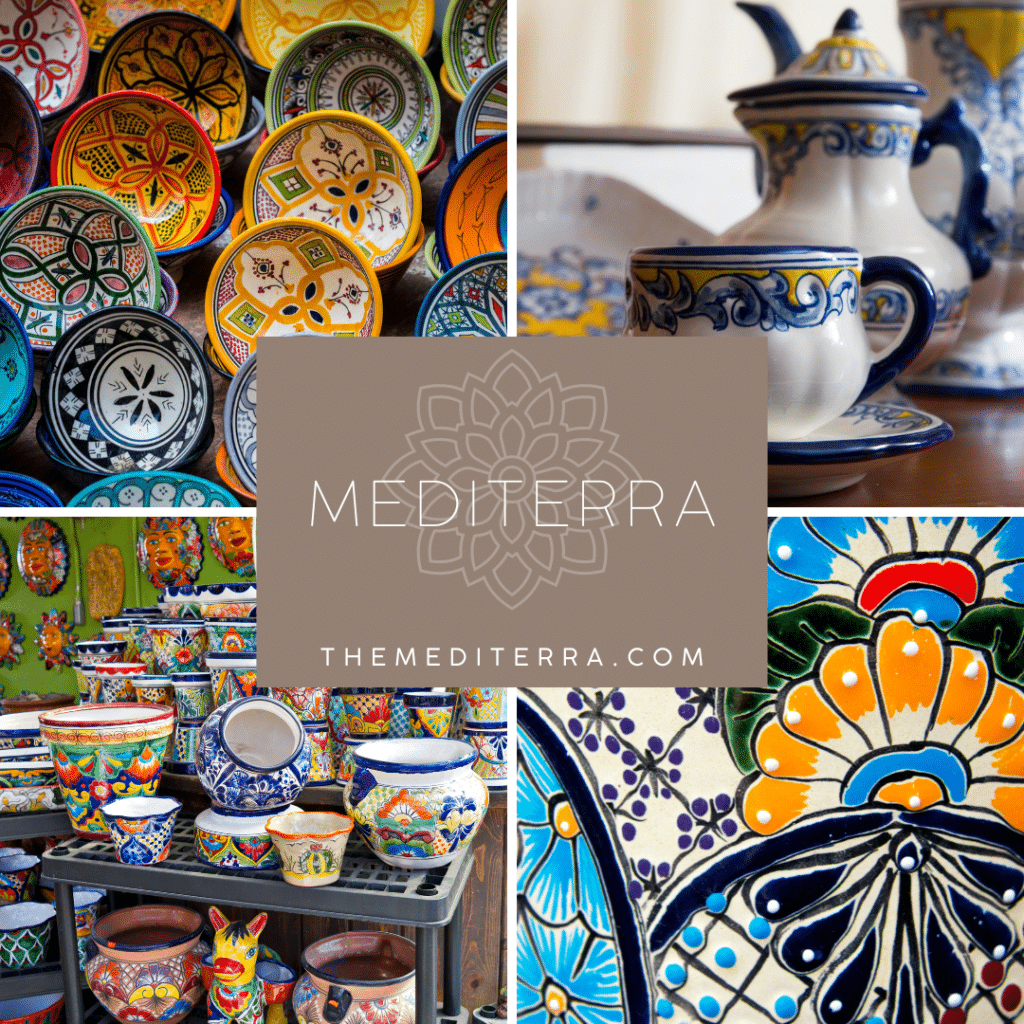
Talavera pottery, named after the city of Talavera de la Reina, is known for its intricate designs and vibrant colors. This style of pottery has been made in Spain since the 16th century and is characterized by its white base glaze with blue, green, and yellow designs. If you’re interested in seeing how Talavera pottery is made, you can visit the city of Talavera de la Reina or El Puente del Arzobispo, both of which are known for their Talavera pottery.
Fajalauza Pottery
Fajalauza pottery, on the other hand, is known for its blue and white designs and is made in the city of Granada. This style of pottery has been made since the 13th century and is characterized by its Islamic influence. The Fajalauza pottery is made using a technique called cuerda seca, which involves using a waxed string to create the design before applying the glaze.

Sevillian Ceramics
Andalusian ceramics, also known as Sevillian ceramics, are made in the southern region of Andalusia. This style of pottery is known for its bright colors and floral designs. Andalusian ceramics are often used for decorative purposes and can be found in many homes and businesses throughout Spain.

No matter which style of traditional Spanish pottery you choose, you can be sure that you’re getting a piece of history that has been crafted with care and attention to detail. Whether you’re looking for a decorative piece to display in your home or a functional piece to use in your kitchen, traditional Spanish pottery is a great choice.
Artisan Workshops
If you’re interested in Spanish pottery, you should definitely visit some of the artisan workshops scattered throughout the country. These workshops are where you can see the artisans at work, creating beautiful handmade pieces using traditional techniques that have been passed down through generations.
In these workshops, you’ll get a chance to see the entire process of creating pottery, from shaping the clay to firing and glazing the finished product. You’ll also get to see the artisans’ tools and techniques up close, and you might even get a chance to try your hand at making your own piece of pottery.
One of the best places to visit for artisan workshops is the town of Talavera de la Reina, located in the province of Toledo. This town is famous for its Talavera pottery, which is characterized by its intricate blue and white designs. In Talavera de la Reina, you can visit the workshops of some of the most talented artisans in the country and see firsthand how they create their beautiful pieces.
Another great place to visit for artisan workshops is the city of Barcelona. Barcelona is home to a number of workshops where you can see artisans creating beautiful pieces of pottery using the “trencadis” technique, which involves using broken pieces of tile and glass to create intricate designs.
No matter where you go in Spain, you’re sure to find artisan workshops where you can see the country’s talented artisans at work. So if you’re a fan of handmade pottery, be sure to add some of these workshops to your itinerary.
Regions of Pottery Production
When it comes to Spanish pottery, there are several regions that are known for their unique styles and techniques. Here are some of the most notable regions of pottery production in Spain:
Toledo
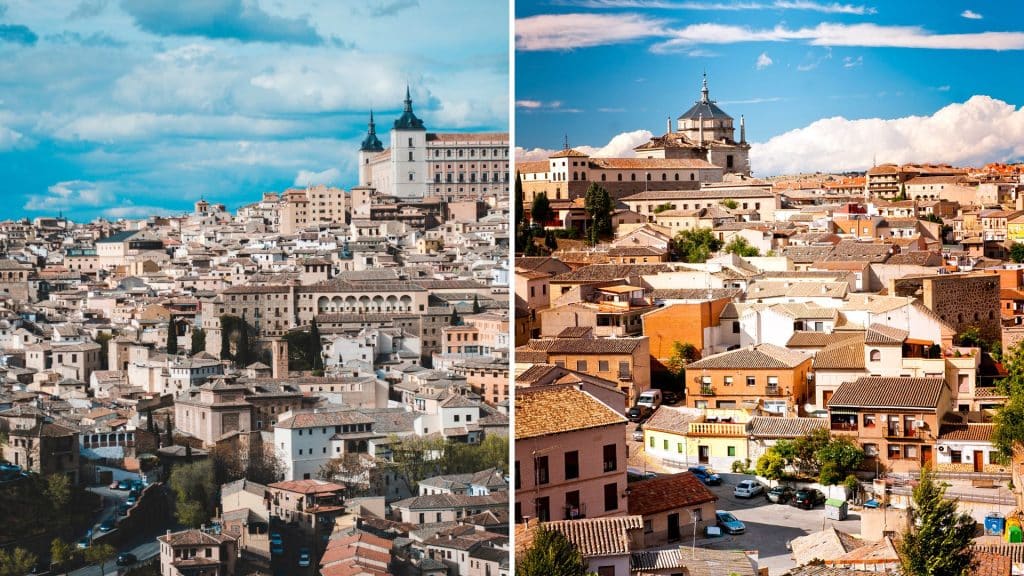
Toledo is a city in central Spain that has a long history of pottery production. The city is known for its beautiful ceramics, which are often decorated with intricate designs and bright colors. The famous Talavera pottery is from Toledo.
Granada
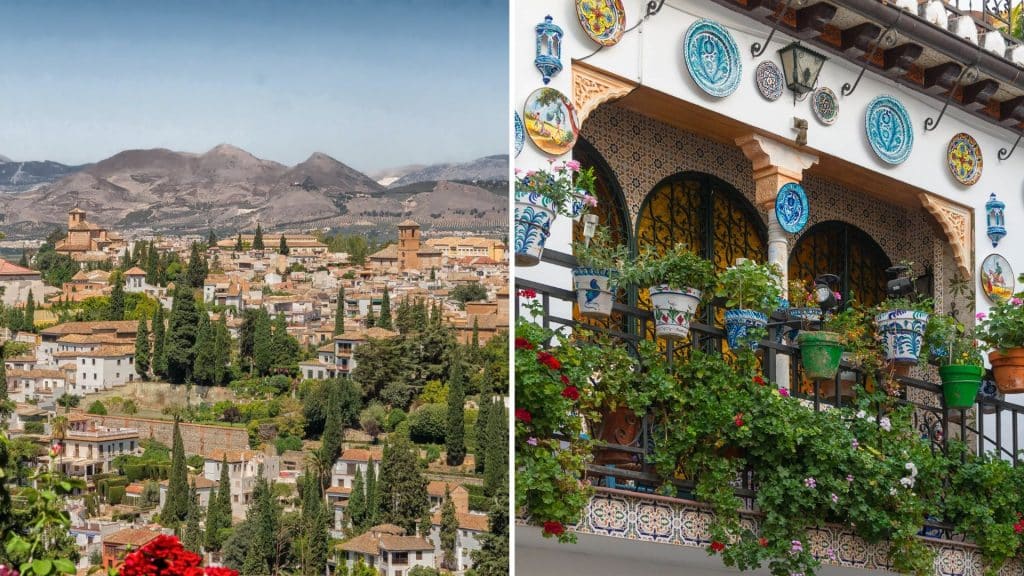
Granada is a city in southern Spain that is famous for its stunning architecture and rich history. It is also home to a thriving pottery industry, with many local artisans producing beautiful ceramics using traditional techniques. Fajalauza comes from Granada.
Mallorca
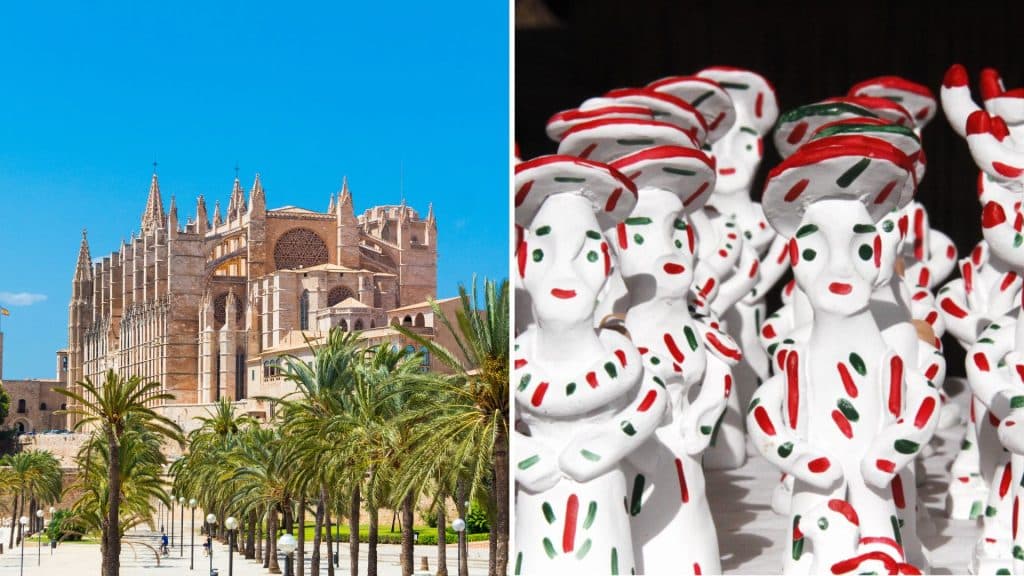
Mallorca is an island in the Mediterranean Sea that is part of Spain. The island has a long history of pottery production, with many local artisans creating beautiful ceramics using traditional techniques. One of the most famous types of pottery from Mallorca is called Siurells, which are small, clay whistles that are often shaped like animals or people.
Andalucía
Andalucía is a region in southern Spain that is known for its rich culture and history. It is also home to a thriving pottery industry, with many local artisans producing beautiful ceramics using traditional techniques. One of the most popular types of pottery from Andalucía is called Alfarería, which is known for its simple, rustic designs.

Malaga
Malaga is a city in southern Spain that is famous for its beautiful beaches and vibrant culture. It is also home to a thriving pottery industry, with many local artisans producing beautiful ceramics using traditional techniques. One of the most popular types of pottery from Malaga is called Artesanía, which is known for its intricate designs and bright colors.
Sevilla
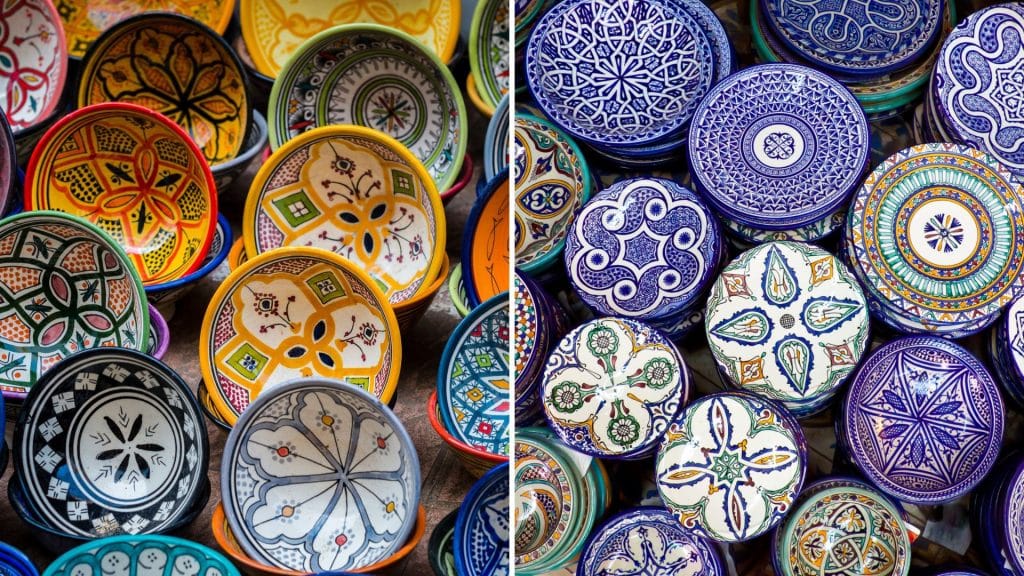
Sevilla is a city in southern Spain that is known for its stunning architecture and rich history. It is also home to a thriving pottery industry, with many local artisans producing beautiful ceramics using traditional techniques. One of the most popular types of pottery from Sevilla is called Triana, which is known for its intricate designs and bright colors.
Unique Designs and Techniques
When it comes to Spanish pottery, one of the most striking features is the unique designs and techniques used to create these beautiful pieces. From intricate hand-painted patterns to the use of vibrant colors, Spanish pottery is truly a work of art.
One of the most popular techniques used in Spanish pottery is glazing. This process involves applying a layer of liquid glass to the surface of the pottery before firing it in a kiln. This not only helps to protect the pottery from damage but also gives it a beautiful shine and finish.
Another unique feature of Spanish pottery is the use of red clay. This type of clay is commonly found in the southern region of Spain and is known for its rich, earthy color. It is often used to create traditional Spanish pottery, such as cazuelas and ollas.
Hand-painted designs are also a hallmark of Spanish pottery. These intricate patterns are often inspired by the natural world, featuring floral motifs, geometric shapes, and more. Each piece is carefully painted by hand, making each one truly unique.
Whether you’re looking for a decorative piece for your home or a functional piece for your kitchen, Spanish pottery offers a wide range of options. From bold and colorful designs to more subtle and understated pieces, there’s something to suit every taste and style.
Using Spanish Pottery in Your Home
There are many ways you can add Spanish pottery to your home.
Plates and Bowls
Spanish ceramic plates and bowls are known for their intricate designs and durability. They come in a wide variety of shapes and sizes and are perfect for serving food or displaying as decorative pieces.
Pitchers
Spanish pottery pitchers are known for their unique shapes and designs. They come in a wide variety of sizes and are perfect for serving drinks or displaying as decorative pieces.
Dinnerware
Spanish ceramic dinnerware is known for its durability and beauty. It comes in a wide variety of designs and styles, and is perfect for entertaining or everyday use.
Spanish Pottery as Decoration
If you’re looking to add some unique and beautiful pieces to your home decor, Spanish pottery is a great option. The intricate designs and vibrant colors of Spanish pottery make it a beautiful addition to any room. Whether you’re looking for functional pieces like plates and bowls or decorative pieces like vases and figurines, Spanish pottery has something for everyone.
One of the great things about Spanish pottery is the variety of designs available. From traditional patterns to more modern and abstract designs, there’s something for every taste and style. Many Spanish pottery pieces also feature intricate hand-painted details, making each piece truly one-of-a-kind.
When it comes to decorating with Spanish pottery, the possibilities are endless. Here are a few ideas to get you started:
- Use a decorative Spanish pottery bowl as a centerpiece on your dining table or coffee table.
- Display a collection of Spanish pottery vases on a bookshelf or mantel.
- Hang Spanish pottery plates on the wall for a unique and eye-catching display.
- Use Spanish pottery figurines as bookends or decorative accents on a shelf.
No matter how you choose to incorporate Spanish pottery into your home decor, it’s sure to add a touch of beauty and sophistication. So why not add a few pieces to your collection today?
The Beauty of Hand-Painted Pottery
One of the most striking features of Spanish pottery is its hand-painted designs. The intricate patterns and bold colors are a testament to the skill and dedication of the artisans who create them. Each piece of pottery is unique, reflecting the creativity and personality of the artist who made it.
The beauty of hand-painted pottery is that it adds a touch of warmth and personality to any space. Whether you’re looking for a statement piece for your living room or a set of dishes for your dining table, hand-painted pottery is a great choice. The Mediterranean-inspired designs are particularly popular, with their bright colors and geometric patterns.
One of the great things about hand-painted pottery is that it’s both functional and decorative. You can use it to serve food or display it as a work of art. A set of hand-painted plates or bowls can add a pop of color to your kitchen, while a decorative vase can brighten up any room.
When it comes to choosing hand-painted pottery, there are a few things to keep in mind. First, look for pieces that are well-made and durable. Hand-painted pottery can be fragile, so you want to make sure that it’s sturdy enough to use on a daily basis. Second, consider the colors and patterns that will work best in your home. Mediterranean-inspired designs are a great choice for a beachy or bohemian vibe, while more traditional patterns can add a touch of elegance to any space.
More Articles About Mediterranean Design & Decor
FAQ – Spanish Pottery
What are some famous Spanish pottery makers?
There are many famous Spanish pottery makers, including Talavera de la Reina, Fajalauza, and Manises. Talavera de la Reina is known for its intricate designs and bright colors, while Fajalauza is famous for its blue and white pottery. Manises is known for its use of luster glazes and intricate patterns.
What are some popular designs for Spanish pottery?
Spanish pottery is known for its intricate designs and bright colors. Some popular designs include geometric patterns, floral motifs, and animal designs. Talavera pottery is also known for its use of blue, green, and yellow colors.
What is the history of Spanish pottery?
Spanish pottery has a long and rich history dating back to the 9th century. The Moors brought their pottery-making techniques to Spain, and Spanish potters soon began to create their own unique styles. During the 16th century, Spanish pottery lost its prominence to Italian pottery, but it continued to be produced and evolved over time to become the beautiful and intricate art form that it is today.
What are some types of Spanish pottery?
There are many types of Spanish pottery, including Talavera, Fajalauza, Manises, and Alcora. Talavera pottery is known for its intricate designs and bright colors, while Fajalauza pottery is famous for its blue and white designs. Manises pottery is known for its use of luster glazes, and Alcora pottery is known for its use of polychrome glazes.
Where can I find Spanish pottery near me?
You can find Spanish pottery at many specialty shops and online retailers. You can also find it at local markets and fairs, especially during Hispanic Heritage Month in September and October.
What is the value of Spanish pottery?
The value of Spanish pottery can vary greatly depending on the maker, the age, and the condition of the piece. Some pieces can be worth thousands of dollars, while others may be more affordable. It is important to do your research and consult with experts before purchasing a piece of Spanish pottery.