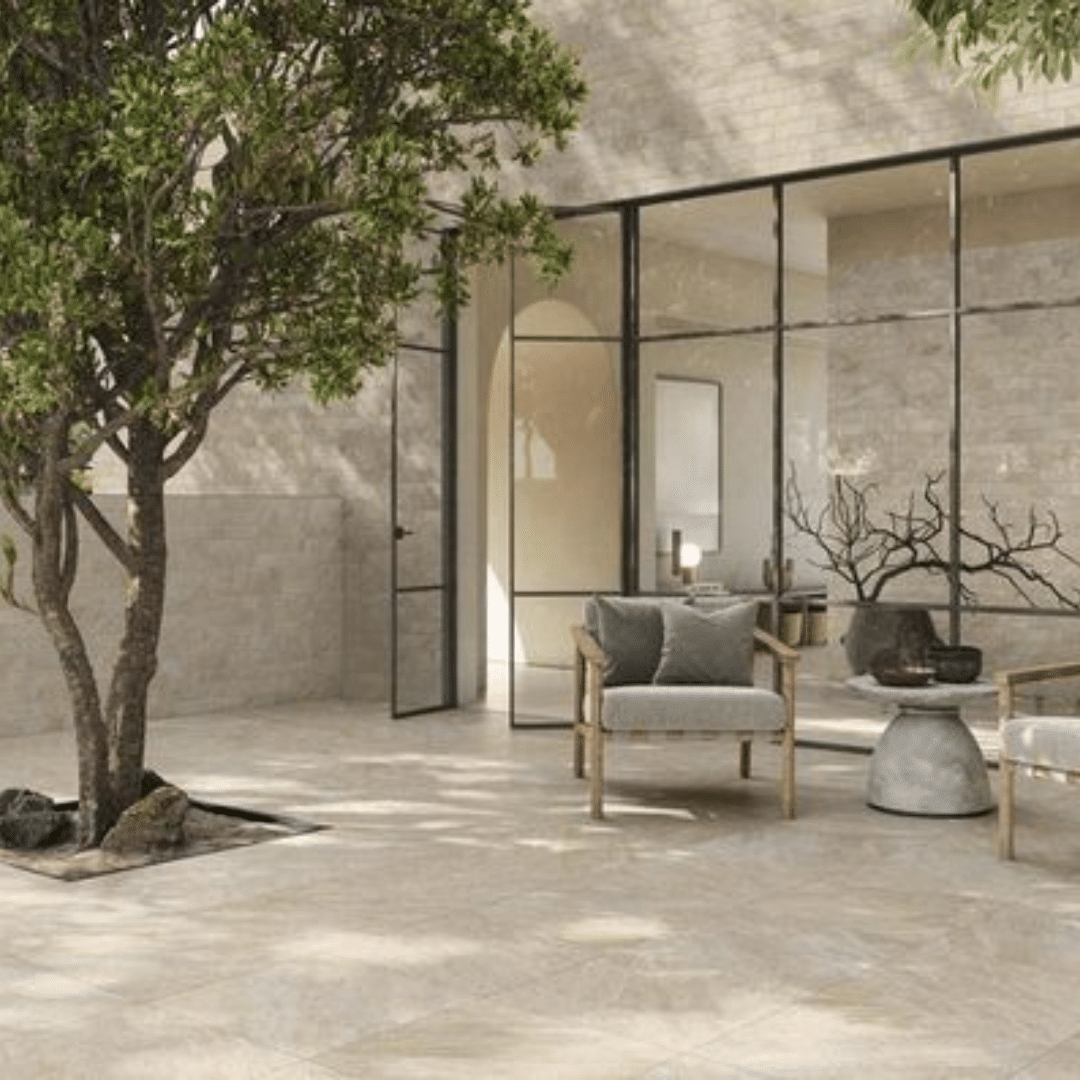
Do you love the Mediterranean interior design style? So do we! In this guide, we dive deep into what it means, what kind of different styles Mediterranean interior design has, and more. Let’s go!

Key Takeaways
- Mediterranean interior design draws inspiration from Europe’s Mediterranean region, featuring warm earthy colors and natural materials.
- Key elements include the use of natural materials, earthy tones, archways, exposed beams, stone walls, tilework, ceramics, and wrought iron.
- Color palettes in Mediterranean design often include earthy tones, oranges, greens, yellows, and blues.
- Different regions, such as Greece, Spain, Italy, Morocco, and France, have distinct Mediterranean design styles.
- The Mediterranean interior design places a strong emphasis on indoor-outdoor living.
Key Elements of Mediterranean Interior Design
If you’re looking to add warmth and character to your living space, Mediterranean interior design might be just what you need. This style is inspired by the homes found throughout the Mediterranean region of Europe, including Greece, Italy, and Spain. Mediterranean style is timeless and rooted in history, making it a popular choice for homeowners who want to create a welcoming and inviting atmosphere in their homes.

Whether you’re looking to create a relaxing oasis in your home or simply want to add a touch of Mediterranean flair, incorporating these elements into your space is a great place to start.
Use of Natural Materials
One of the defining characteristics of Mediterranean design is the use of natural materials. From stone and rope to wood and ceramics, these materials are often used to create a warm, inviting atmosphere. Natural stone, in particular, is a popular choice for flooring, walls, and even countertops.
Earthy Tones
Mediterranean design is also known for its earthy color palette. Warm, natural tones like terracotta, ochre, and burnt umber are often used on walls and floors to create a cozy, inviting feel. These colors are often paired with shades of blue and green, which reflect the sea and sky.
Archways
Arches are another hallmark of Mediterranean design. Whether it’s an arched doorway or a curved window, these architectural features add a touch of elegance and sophistication to any space.
Exposed Beams
Exposed wood beams are a common feature in Mediterranean homes. They add a rustic, natural feel to the space and can be used to create a sense of warmth and coziness.

Stone Walls
Stone walls are another popular feature of Mediterranean design. Whether it’s a simple accent wall or a full-stone fireplace, these walls add texture and depth to the space.

Tilework
Tilework is another defining characteristic of Mediterranean design. From intricate mosaic patterns to simple terra cotta tiles, these tiles are often used on floors, walls, and even ceilings to add color and texture to the space.
Ceramics and Pottery
Ceramics and pottery are an essential part of Mediterranean interior design. They come in various shapes, sizes, and colors, and are often used to add a touch of color and texture to a space.
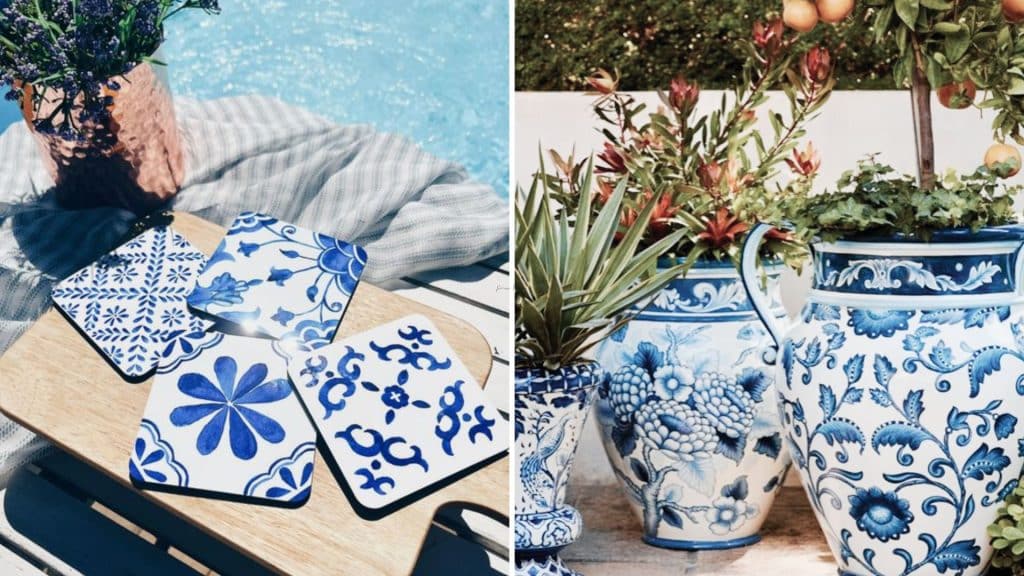
You can use them to decorate your walls, shelves, and tables. They are also great for serving food and drinks and can be used as planters for your indoor plants.
Wrought Iron
Wrought iron is a popular material in Mediterranean design. Whether it’s a wrought iron chandelier or a set of ornate iron gates, these pieces add a touch of elegance and sophistication to the space.
Textured Walls
Textured walls are another hallmark of Mediterranean design. Whether it’s a plaster wall with a rough texture or a stucco wall with a smooth finish, these walls add depth and character to the space.
Indoor-Outdoor Living
Finally, indoor-outdoor living is a key element of Mediterranean design. Whether it’s a patio with a view of the sea or a courtyard with a fountain, these spaces are designed to blur the line between indoors and outdoors, creating a seamless transition between the two.

By incorporating these key elements into your space, you can create a warm, inviting atmosphere that reflects the beauty and charm of the Mediterranean.
Baskets, Vases, Rattan, Wicker, and Jute
Baskets, vases, rattan, wicker, and jute are also popular decorative elements in Mediterranean interior design. They are often used to add texture and natural elements to a space. You can use them to store blankets, pillows, and other items, or as decorative accents on your shelves and tables.
Patterned Tile
Patterned tile is a staple of Mediterranean interior design. It is often used to add color and texture to floors, walls, and backsplashes. You can use patterned tile to create a focal point in your space or to add a touch of interest to an otherwise plain surface.

Stonework
The stonework is another popular decorative element in Mediterranean interior design. It is often used to create accent walls, fireplaces, and other architectural features. Stonework adds texture and natural elements to a space and can be used to create a rustic or traditional look.
Interior Design Style Guides
Color Palettes in Mediterranean Interior Design
The use of earthy tones, oranges, greens, and yellows, is common in Mediterranean interior design.
Earthy Tones
Earthy tones are a staple in Mediterranean interior design. These colors create a warm and inviting atmosphere, perfect for creating a cozy and comfortable space.
Think of colors like terracotta, beige, brown, and rust. These colors can be used on walls, floors, and furniture.
Orange and Green
Orange and green are also popular colors in Mediterranean interior design. These colors are bright and cheerful, evoking feelings of joy and happiness. Orange is often used in textiles, such as curtains, pillows, and rugs.
Green is used in plants, which are a common element in Mediterranean interior design.
Yellow and Umber
Yellow and umber are two other colors that are commonly used in Mediterranean interior design. Yellow is often used in small doses to add a pop of color to a space.
Umber is a darker shade of brown that is used to add depth and richness to a space. These colors can be used in furniture, textiles, and accessories.
In Mediterranean interior design, color palettes are used to create a warm and inviting atmosphere. Earthy tones, oranges, greens, and yellows are all commonly used in these spaces. By incorporating these colors into your home, you can create a space that is both beautiful and comfortable.
Mediterranean Design Styles by Region
When it comes to Mediterranean interior design, each region has its unique style. From the whitewashed walls of Greece to the vibrant colors of Morocco, here’s a breakdown of the Mediterranean design styles by region.
Greece
Greek interior design is all about simplicity and minimalism. The focus is on creating a bright and airy space that feels open and inviting. Whitewashed walls, blue accents, and natural textures like wood and stone are the key elements of Greek design.
Greek interiors also often feature handcrafted pottery, woven textiles, and traditional decorative items like evil eye amulets.

Spain
Spanish interior design is known for its warm and inviting atmosphere. The style is characterized by the use of warm colors like terracotta, ochre, and red, as well as intricate tilework, wrought iron, and rustic wood finishes. Spanish interiors are also filled with natural light and feature plenty of plants and greenery.

Italy
Italian interior design is all about elegance and sophistication. The style is characterized by the use of luxurious materials like marble, velvet, and silk, as well as intricate detailing and ornate finishes. Italian interiors are often modern.

Morocco
Moroccan interior design is known for its vibrant colors, intricate patterns, and luxurious textures. The style is characterized by the use of bold colors like turquoise, orange, and red, as well as intricate tile work, ornate metalwork, and plush textiles like silk and velvet.
Moroccan interiors also often feature traditional decorative items like lanterns, poufs, and rugs.

French
French interior design is known for its elegance and sophistication. The style is characterized by the use of luxurious materials like silk, velvet, and brocade, as well as ornate finishes and decorative elements like chandeliers and gilded mirrors.
French interiors also often feature a mix of traditional and modern design elements, with a focus on creating a comfortable and inviting space.

The Mediterranean interior design is all about creating a warm and inviting space that incorporates natural materials, warm colors, and traditional decorative elements. Whether you prefer the simplicity of Greek design or the luxury of Italian design, there’s a Mediterranean style that’s perfect for your home.
Outdoor Spaces in Mediterranean Interior Design
Mediterranean homes often have large patios and terraces that are designed to be an extension of the indoor living space.
Patios
Patios are an integral part of Mediterranean homes. They are often designed to be a seamless transition from the indoor living space to the outdoors.
Mediterranean patios are typically paved with natural stone or terra cotta tiles and are surrounded by lush greenery. They are also often covered with a pergola or other type of shading structure to provide relief from the hot sun.
When designing your Mediterranean patio, consider incorporating the following elements:
- Comfortable seating: Mediterranean patios are designed for lounging and relaxation. Add comfortable seating options like plush sofas, chairs, and ottomans.
- Water features: A fountain, small pool, or other water features add a calming element to your patio.
- Plants: Incorporate greenery into your patio design with potted plants, hanging baskets, or a vertical garden.
Emphasis on Indoor-Outdoor Living
The Mediterranean interior design places a strong emphasis on indoor-outdoor living. The goal is to create a seamless flow between the indoor and outdoor spaces.
When designing your Mediterranean home, consider the following tips for indoor-outdoor living:
- Open floor plan: Choose an open floor plan that allows for easy flow between indoor and outdoor spaces.
- Large windows and doors: Incorporate large windows and doors to maximize natural light and provide views of the outdoors.
- Outdoor kitchen: A Mediterranean-style outdoor kitchen is a great addition to your home. It allows you to cook and entertain outdoors while enjoying the beautiful weather.
- Outdoor living room: Create an outdoor living room with comfortable seating and a fireplace or fire pit for cooler evenings.
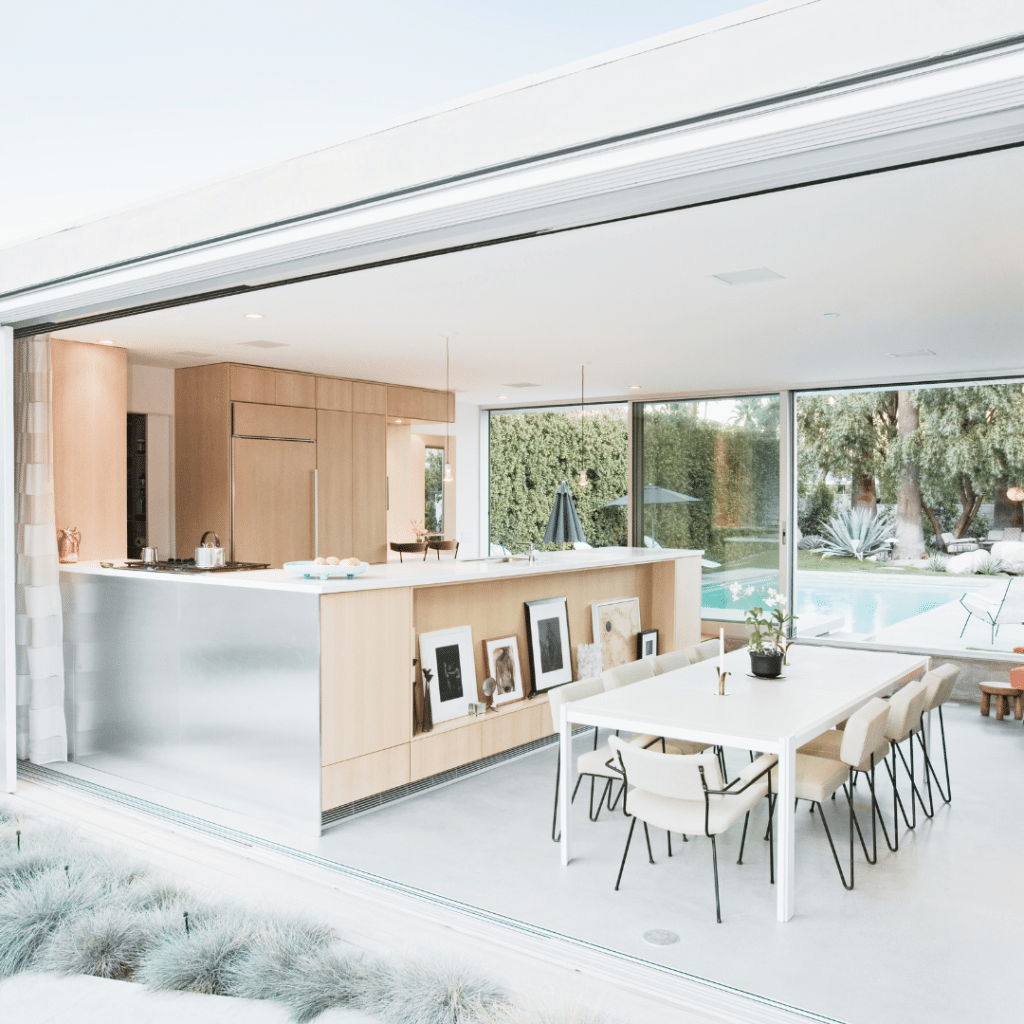
Mixing the Mediterranean Interior Design with Modern
Mixing Mediterranean interior design with modern elements can be a great idea to create a unique and stylish look. Mediterranean interior design is known for its warm and earthy tones, natural materials, and intricate patterns, while modern design emphasizes simplicity, clean lines, and minimalism.
- To achieve this look, you can start by incorporating Mediterranean elements such as terracotta tiles, wrought iron accents, and warm wood finishes.
- Then, add modern touches such as sleek furniture, minimalist lighting fixtures, and bold geometric patterns.
The key is to balance the two styles by using a neutral color palette and selecting pieces that complement each other. With a little creativity and attention to detail, you can create a beautiful and harmonious space that blends the best of both worlds.
More Articles About Mediterranean Design & Decor
FAQ – Mediterranean Interior Design Style
Mediterranean Interior Design Style
What is a Mediterranean interior design inspired by?
Mediterranean interior design draws inspiration from Europe’s Mediterranean region, featuring warm earthy colors and natural materials.
Mediterranean Interior Design Style
What are the key elements of Mediterranean interior design?
Key elements include the use of natural materials, earthy tones, archways, exposed beams, stone walls, tilework, ceramics, and wrought iron.
Mediterranean Interior Design Style
What colors are commonly used in Mediterranean design?
Color palettes in Mediterranean design often include earthy tones, oranges, greens, yellows, and blues.
Mediterranean Interior Design Style
Are there different Mediterranean design styles based on regions?
Yes, different regions, such as Greece, Spain, Italy, Morocco, and France, have distinct Mediterranean design styles.
Mediterranean Interior Design Style
How can I mix Mediterranean design with modern elements?
Mixing Mediterranean design with modern elements can be achieved by balancing warm earthy tones and natural materials with sleek furniture, minimalist lighting fixtures, and bold geometric patterns.
