Creating a calm and relaxing home is essential for your wellbeing. Your home should be a sanctuary where you can unwind and recharge after a long day. Calm interior design helps you unwind amidst the hustle and bustle of daily life.

Key Takeaways
- Your home should be a sanctuary for relaxation and tranquility, promoting your overall well-being.
- Calm interior design principles include using soft, muted colors, abundant natural light, and ambiance lighting.
- Keep your space clutter-free with smart storage solutions to reduce stress and anxiety.
- Incorporate natural elements like plants, wood, and stone to connect with the natural world and create a calming atmosphere.
- Choose calming color schemes, comfortable furniture, and scents like essential oils to enhance the peacefulness of your home.
Calm Interior Design Principles
Your home is your sanctuary, and it should be a place where you can relax, recharge, and feel calm. Calm interior design is all about creating a space that promotes relaxation and tranquility.
It’s a design philosophy that takes into account the science of psychology and the impact that our environment can have on our mental and emotional wellbeing.
Consider The Colors
Soft, muted colors like pastels, neutrals, and earth tones help create a calming atmosphere. Avoid bright, bold colors that can be overstimulating.

Lots Of Natural Light
Natural light is ideal, but if that’s not an option, consider using soft, warm lighting like lamps or candles. Harsh overhead lighting can be jarring and create a stressful environment.

Ambiance Lighting
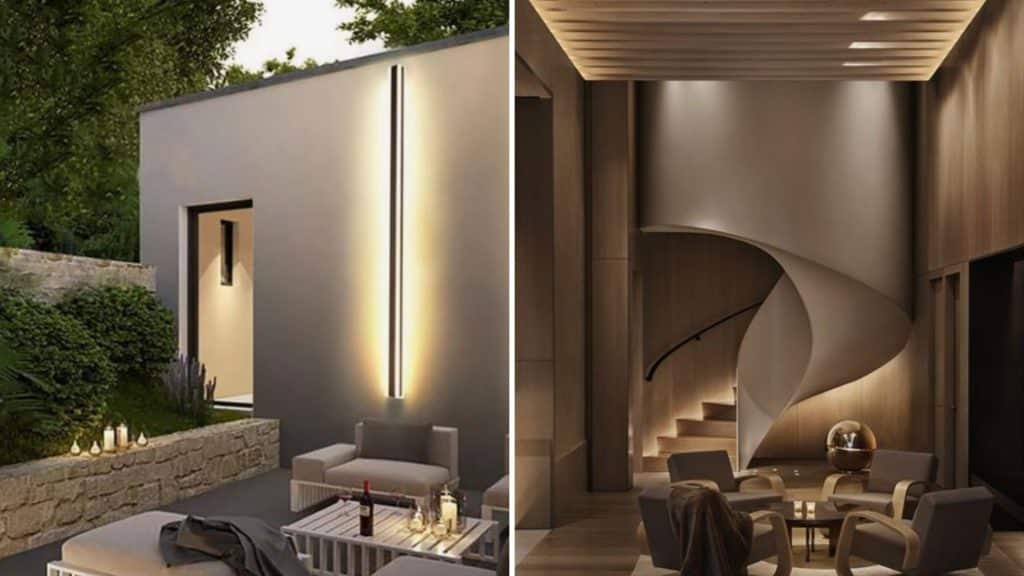
If your home is on the darker side, which also is very calming, you should pay attention to creating a calm atmosphere with ambiance lighting.
Clutter Free With Smart Storage Solutions
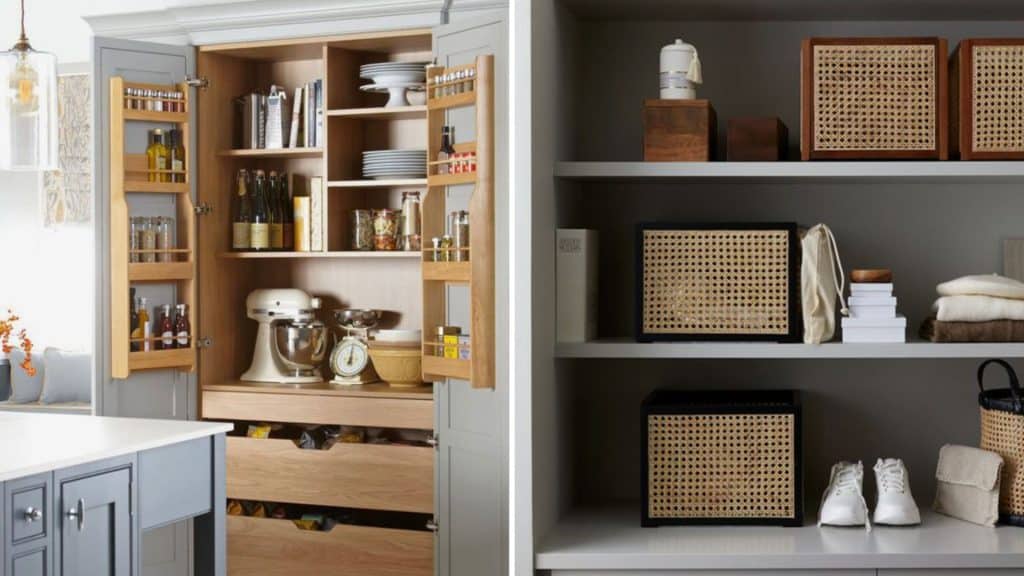
Clutter can also be a source of stress and anxiety, so it’s important to keep your space organized and tidy. Use storage solutions like baskets, bins, and shelves to keep your belongings out of sight and out of mind.
Incorporate Natural Elements
Consider incorporating natural elements like plants, wood, and stone into your space. These materials have a calming effect and can help create a sense of connection to the natural world.

The Importance of Color
The right color scheme can help you feel more at ease, reduce stress levels, and promote a sense of tranquility.
Color Psychology
Color psychology is the study of how colors affect our emotions and behavior. Certain colors can evoke specific feelings and moods, making them ideal for creating a calming atmosphere in your home. For example, warm colors like red and orange can be energizing and stimulating, while cool colors like blue and green can be calming and soothing.

Choosing Calming Colors
When choosing colors for your home, it’s important to consider the mood you want to create. For a calming atmosphere, consider using neutral colors like beige, gray, and off-white, or cool colors like blue and green. These colors can help create a sense of serenity and relaxation in your home.
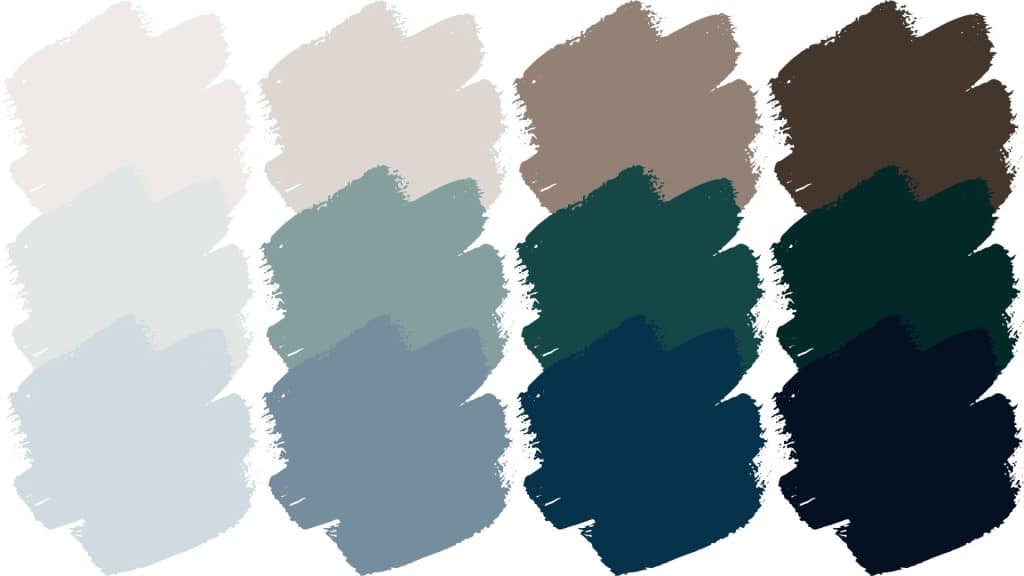
Monochromatic Color Scheme
A monochromatic color scheme involves using different shades and tones of the same color. This can be a great way to create a calming atmosphere in your home, as it creates a sense of harmony and balance.
For example, a room with different shades of green can create a peaceful and calming environment, while a room with different shades of blue can evoke a sense of tranquility.
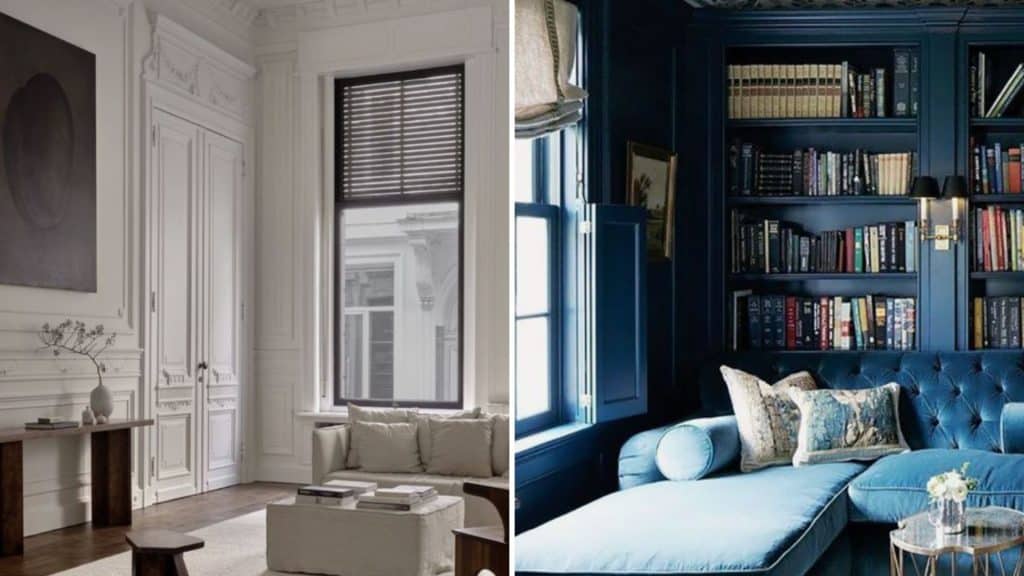
Incorporating Nature
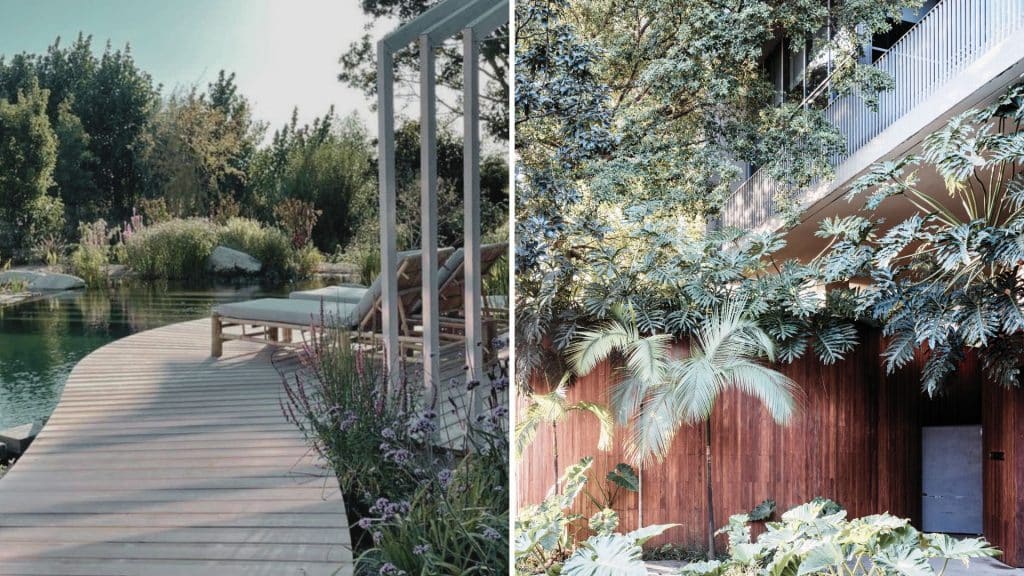
Creating a calm home can be achieved by incorporating nature into your interior design. Biophilic design is an approach that respects the natural world and can help to create a calming atmosphere in your home. Here are some ideas to help you incorporate nature into your interior design.
- Houseplants are a great way to incorporate nature into your home.
- Use wood, seagrass, and other natural fibers in your home decor.
- Water features, such as fountains, ponds, or even a simple tabletop water feature, can help create a calming and soothing environment.
Creating Comfort and Warmth
Your home should be a place where you can relax and unwind after a long day. Creating a comfortable and cozy atmosphere is essential to achieving a calm interior design. Here are some tips to help you create a warm and inviting space:
Choosing Comfortable Furniture
When selecting furniture for your living room, comfort should be your top priority. Choose pieces that are soft and plush, and that you can sink into. A large, comfortable sofa is a must-have, and you can add additional seating with armchairs or a loveseat.
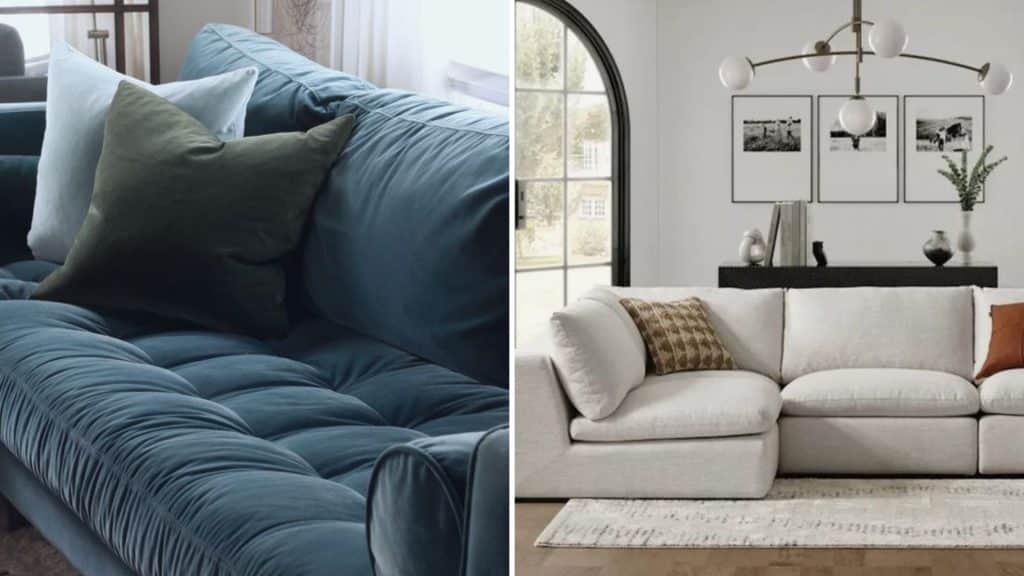
Consider the placement of your furniture as well. Arrange it in a way that promotes conversation and creates a cozy atmosphere. Don’t be afraid to experiment with different layouts until you find one that works best for you.
Layering Textiles
Adding texture to your space is an easy way to make it feel more comfortable and inviting. Layering textiles is a great way to achieve this. Start with a plush rug that feels good underfoot. Then, add pillows, throws, and cushions to your sofa and chairs.

When layering textiles, mix and match different textures and patterns. For example, pair a smooth velvet pillow with a chunky knit throw. This will add visual interest to your space and make it feel more inviting.
Adding a Fireplace
A fireplace is the ultimate cozy addition to any home. Arrange your furniture around it, and add a mantel to display your favorite decor.
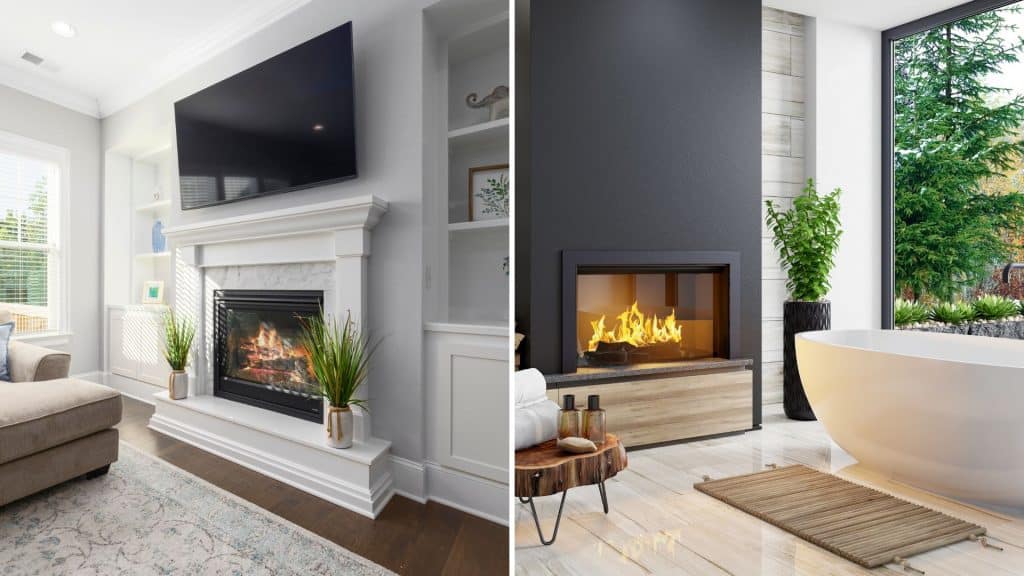
If you don’t have a fireplace, don’t worry! You can still create a cozy atmosphere with candles. Choose scented candles that evoke feelings of warmth and comfort, and place them around your space.
The Impact of Scent
Scent plays a significant role in creating a relaxing atmosphere. The right scent can help you unwind after a long day and improve your mental health.
Using Essential Oils
Essential oils are a popular way to add calming scents to your home. They are natural and can be used in a variety of ways. You can use an essential oil diffuser to spread the scent throughout your home, add a few drops to your bath, or even apply them directly to your skin.

Lavender is known for its calming properties and can help reduce stress and anxiety. Eucalyptus has a refreshing scent that can help clear your mind and improve mental clarity. Chamomile is a gentle scent that can help promote relaxation and improve sleep quality.
The scent is an important factor in creating a calm home. By using essential oils, candles, or other scents, you can create a relaxing atmosphere that promotes mental health and relaxation.
Creating Calm Spaces
Here are some tips on how you can create calm spaces in your home.
Bedroom
Your bedroom is a sanctuary where you go to relax and unwind. To create a calm space in your bedroom, consider the following:
- Choose calming colors like blue, green, or neutral tones.
- Invest in comfortable bedding and pillows to ensure a good night’s sleep.
- Keep your bedroom clutter-free to reduce stress and promote relaxation.
- Incorporate soft lighting to create a cozy atmosphere.
Bathroom
Your bathroom can also be a place of relaxation and tranquility. Here are some tips on how to create a calm space in your bathroom:
- Keep your bathroom clean and organized to reduce stress.
- Use calming scents like lavender or eucalyptus to promote relaxation.
- Invest in soft towels and bath mats to create a cozy atmosphere.
- Incorporate plants to add a touch of nature and promote a sense of calmness.
Living Room
Your living room is where you spend time with family and friends, so it’s essential to create a calm and comfortable space. Here are some tips on how to create a calm living room:
- Choose calming colors like blue, green, or neutral tones.
- Invest in comfortable seating and soft textiles.
- Incorporate soft lighting to create a cozy atmosphere.
- Keep your living room clutter-free to reduce stress and promote relaxation.
Kitchen
Your kitchen is where you prepare meals and spend time with your family, so it’s important to create a calm and inviting space. Here are some tips on how to create a calm kitchen:
- Keep your kitchen clean and organized to reduce stress.
- Use calming scents like vanilla or citrus to promote relaxation.
- Incorporate plants to add a touch of nature and promote a sense of calmness.
- Choose calming colors like blue, green, or neutral tones for your kitchen decor.
More Articles About Mediterranean Design & Decor
FAQ – Creating Calm Interior Design
Calm Interior Design
How can I create a serene home decor?
Creating a serene home decor involves incorporating calming colors, textures, and patterns into your space. You can also add natural elements like plants, water features, and wood accents to create a sense of tranquility. Choose furniture that is comfortable and functional, and avoid clutter to maintain a peaceful atmosphere.
Calm Interior Design
What are the benefits of having a peaceful home?
Having a peaceful home can reduce stress and anxiety, improve sleep quality, and promote overall well-being. A calm environment can also increase productivity and creativity, and make it easier to focus on important tasks. Additionally, a peaceful home can help strengthen relationships with family and friends.
Calm Interior Design
What are some relaxing ideas for a calm environment?
There are many relaxing ideas for a calm environment, including creating a cozy reading nook, adding soft lighting, incorporating aromatherapy with candles or essential oils, and using calming music or nature sounds. You can also create a peaceful ambiance by decluttering and organizing your space, and incorporating natural elements like plants and water features.
Calm Interior Design
How can I decorate my home to make it feel calm?
To decorate your home to make it feel calm, choose a color palette that includes soft, soothing colors like blues, greens, and neutrals. Incorporate natural materials like wood, stone, and linen, and choose furniture that is comfortable and functional. Use soft lighting and add natural elements like plants and water features to create a sense of tranquility.
Calm Interior Design
What elements make a room feel calm?
Elements that make a room feel calm include soft lighting, comfortable furniture, calming colors like blues and greens, natural materials like wood and stone, and natural elements like plants and water features. Avoid clutter and choose decor that promotes relaxation, such as artwork depicting nature scenes or calming abstract designs.
Calm Interior Design
What are some tips for making my house feel more serene?
Some tips for making your house feel more serene include decluttering and organizing your space, incorporating natural elements like plants and water features, using calming colors and soft lighting, choosing comfortable and functional furniture, and minimizing noise and distractions. You can also create a peaceful ambiance with aromatherapy, calming music, and relaxing activities like yoga or meditation.