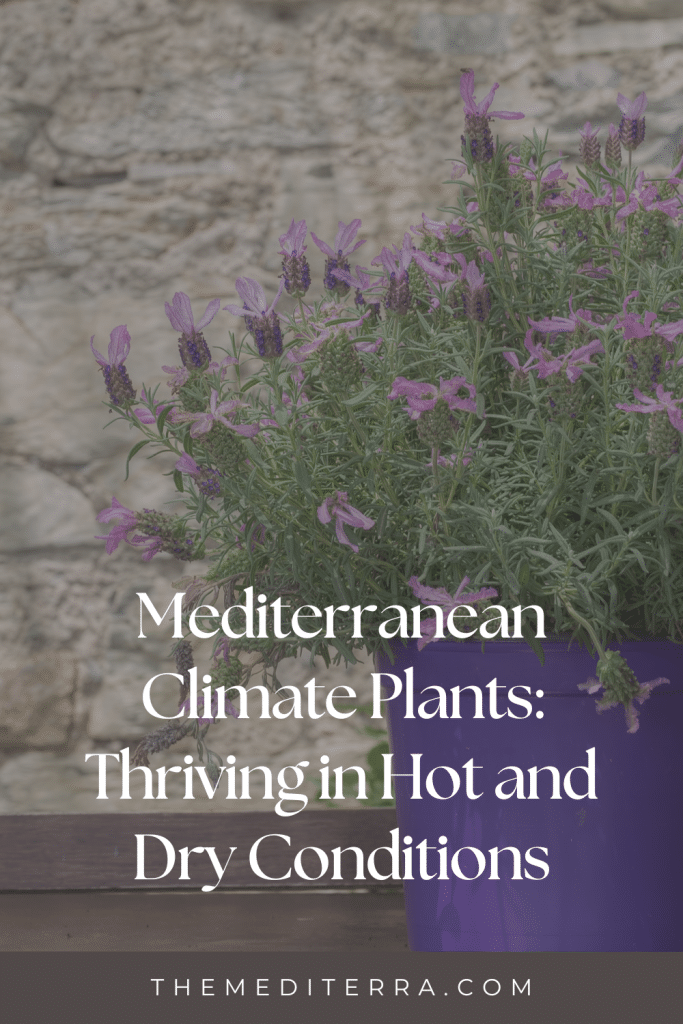
If you’re looking to add some color and vibrancy to your garden, Mediterranean climate plants are a great option. These plants are well-suited to hot, dry climates and can add a touch of the Mediterranean to your outdoor space.

Common plant types in the Mediterranean include olive trees, lavender, rosemary, and citrus trees. These plants are well-suited to hot, dry climates and can add a touch of the Mediterranean to your garden. If you’re interested in designing a Mediterranean garden, you’ll want to choose plants that are drought-tolerant and can handle hot, dry conditions.
Key Takeaways
- Mediterranean climate plants are well-suited to hot, dry climates and can add a touch of the Mediterranean to your outdoor space.
- Common plant types in the Mediterranean include olive trees, lavender, rosemary, and citrus trees.
- When designing a Mediterranean garden, choose plants that are drought-tolerant and can handle hot, dry conditions.
Definition of The Mediterranean Climate
The Mediterranean climate is a type of dry climate that is characterized by mild, wet winters and hot, dry summers.

The Mediterranean climate is named after the Mediterranean Sea, which is located in Europe, Africa, and Asia. However, this climate type is not limited to these regions. In fact, there are several regions around the world that experience a Mediterranean climate, including California, Chile, and parts of Australia.
Characteristics of Mediterranean Plants
Mediterranean plants are adapted to the hot, dry summers and mild, wet winters of this climate, making them perfect for your garden. Here are some characteristics of Mediterranean plants that make them perfect for your garden:
Drought Tolerance
Mediterranean plants are known for their drought tolerance. They have adapted to the hot, dry summers of the Mediterranean climate by storing water in their leaves and stems. This allows them to survive long periods of drought without water.
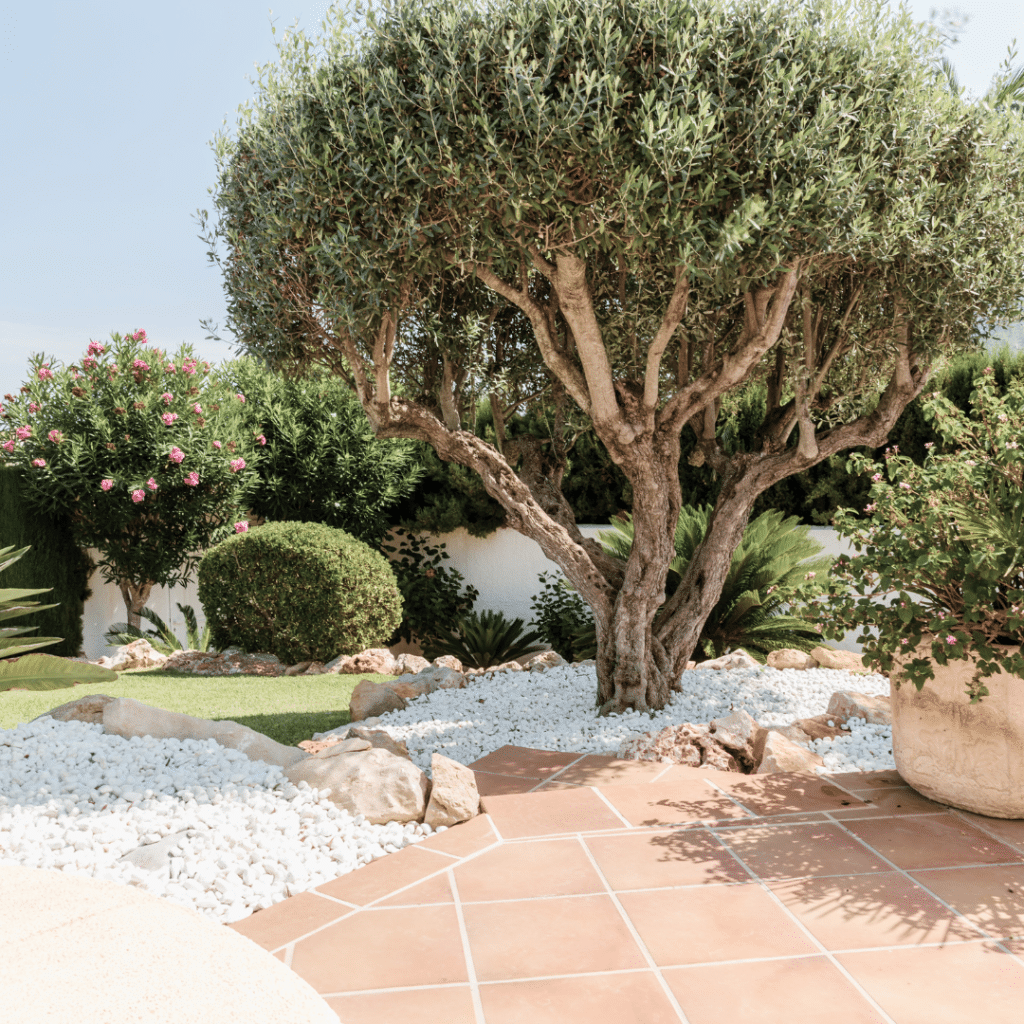
So, if you’re looking for plants that can survive without much water, Mediterranean plants are a great choice.
Soil Preferences
Mediterranean plants prefer well-drained soil. They do not like to sit in water, so it’s important to make sure that your soil drains well. If your soil is heavy and clay-like, you may need to amend it with sand or other materials to improve drainage.
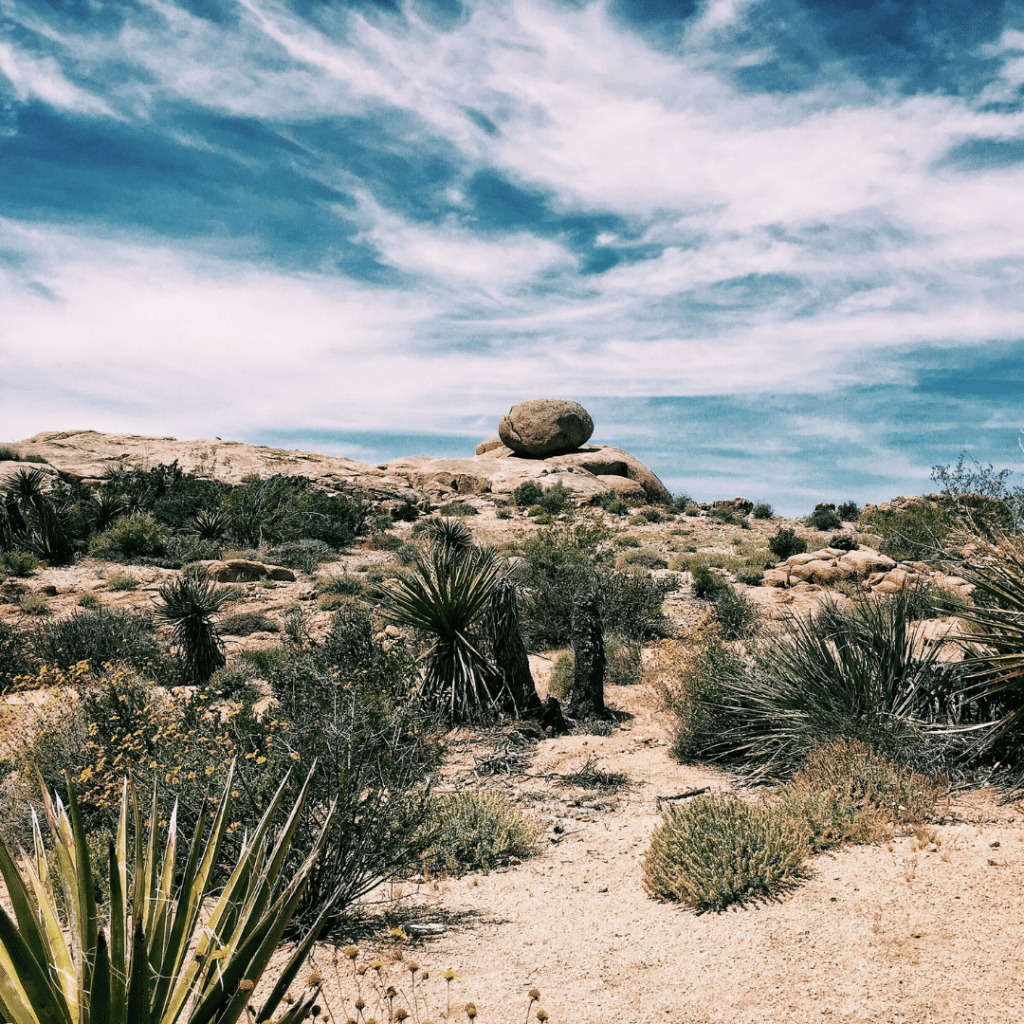
Mediterranean plants also prefer poor, rocky soil. This is because they have adapted to the nutrient-poor soil of the Mediterranean region.
Sunlight Requirements
Mediterranean plants require full sun. They have adapted to the intense sunlight of the Mediterranean climate and need at least 6 hours of direct sunlight each day. If you’re planting Mediterranean plants in a shady area, they may not thrive.
Common Plant Types in The Mediterranean
If you’re looking to add some Mediterranean flair to your garden, there are plenty of plant options to choose from. Here are some of the most common plant types found in the Mediterranean region.
Shrubs and Bushes
Shrubs and bushes are a staple of Mediterranean gardens. They’re typically low-maintenance and drought-tolerant, making them perfect for the hot, dry climate. Some popular options include:
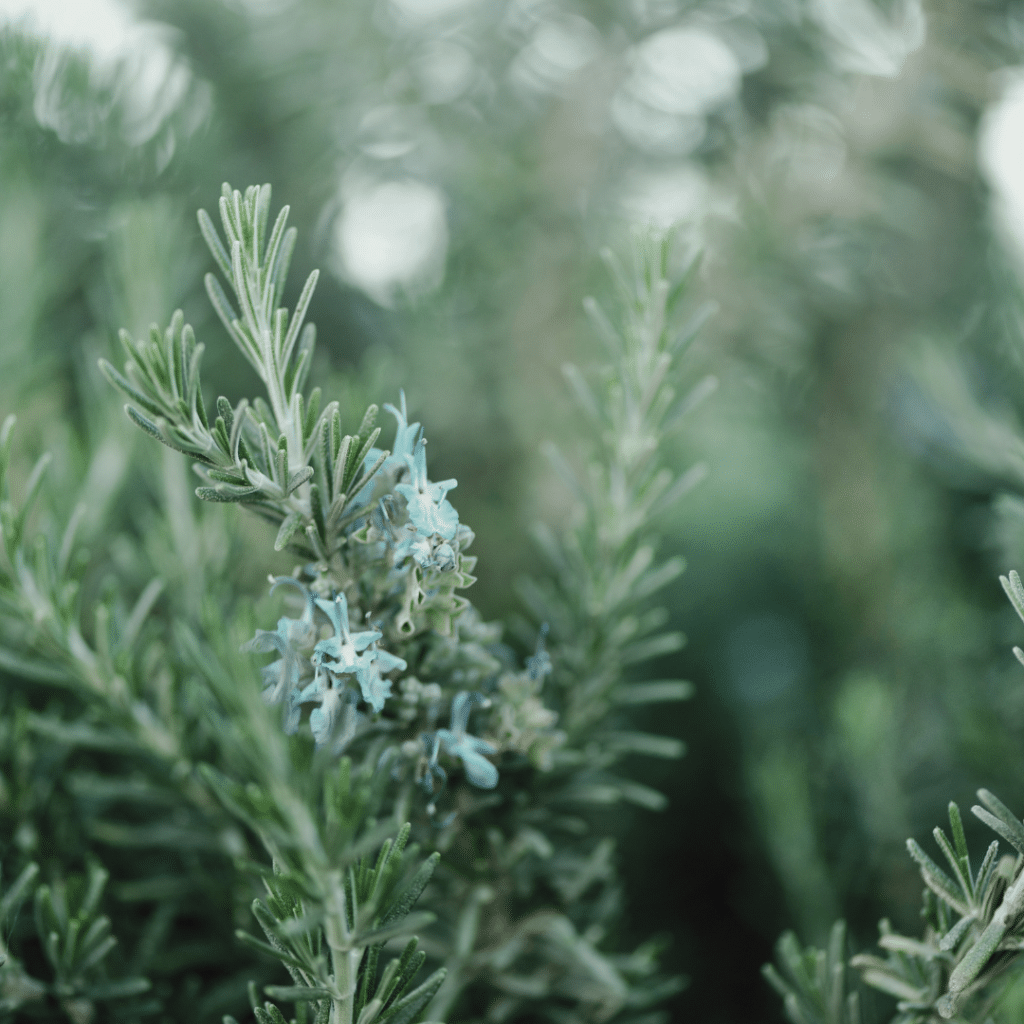
- Rosemary: This fragrant herb is a favorite in Mediterranean cooking and is often used as a decorative plant as well. It’s drought-tolerant and easy to grow, making it a great choice for beginners.
- Lavender: Another fragrant plant, lavender is known for its beautiful purple flowers and calming scent. It’s also drought-tolerant and attracts pollinators like bees and butterflies.
- Salvia: Salvia comes in a variety of colors and is known for its long-lasting blooms. It’s also drought-tolerant and attracts pollinators.
Trees
Trees are another common feature of Mediterranean gardens. They provide shade and help to cool the surrounding area. Some popular tree options include:
- Olive Trees: Olive trees are a symbol of the Mediterranean and are known for their beautiful silver-green leaves. They’re also drought-tolerant and can live for hundreds of years.
- Cypress Trees: Cypress trees are tall and slender, with a distinctive conical shape. They’re often used as a privacy screen or to line driveways.
- Citrus Trees: Lemon, orange, and grapefruit trees are all common in Mediterranean gardens. They provide both shade and delicious fruit.
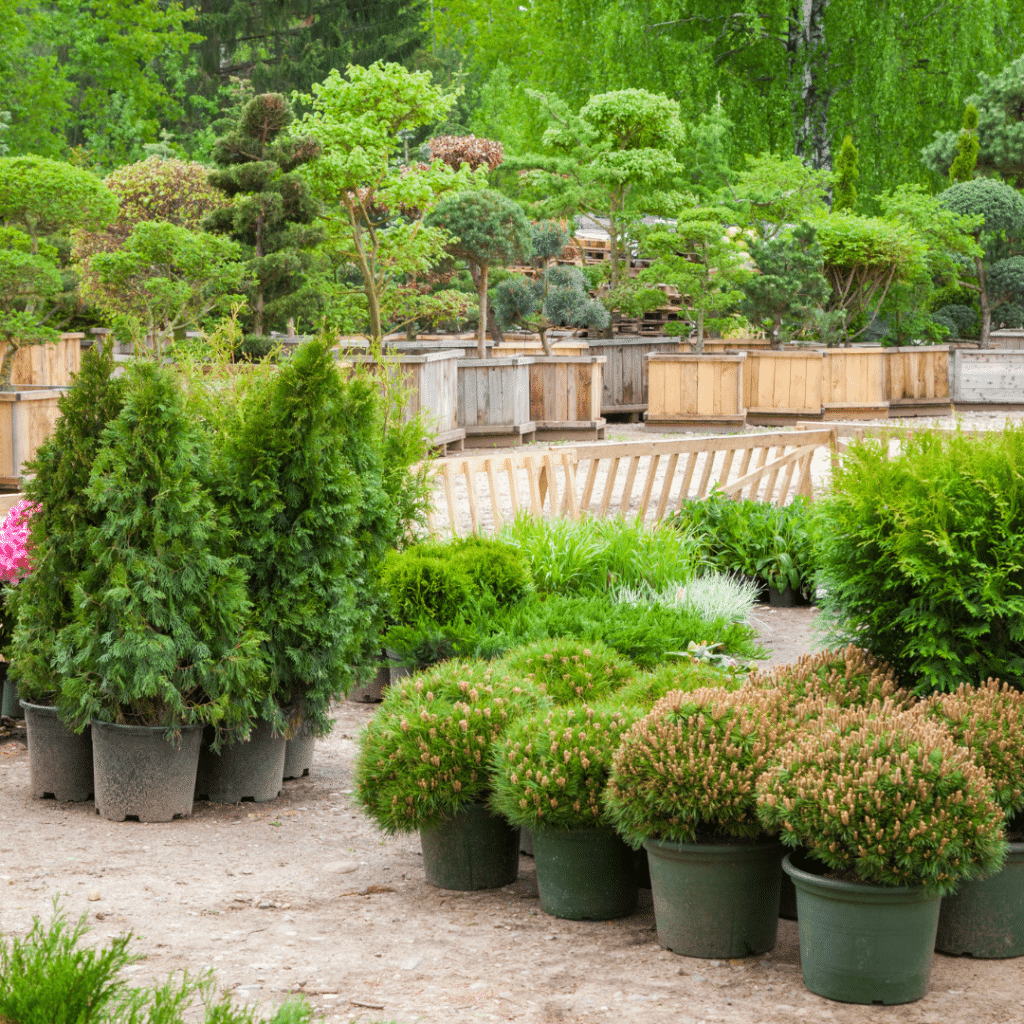
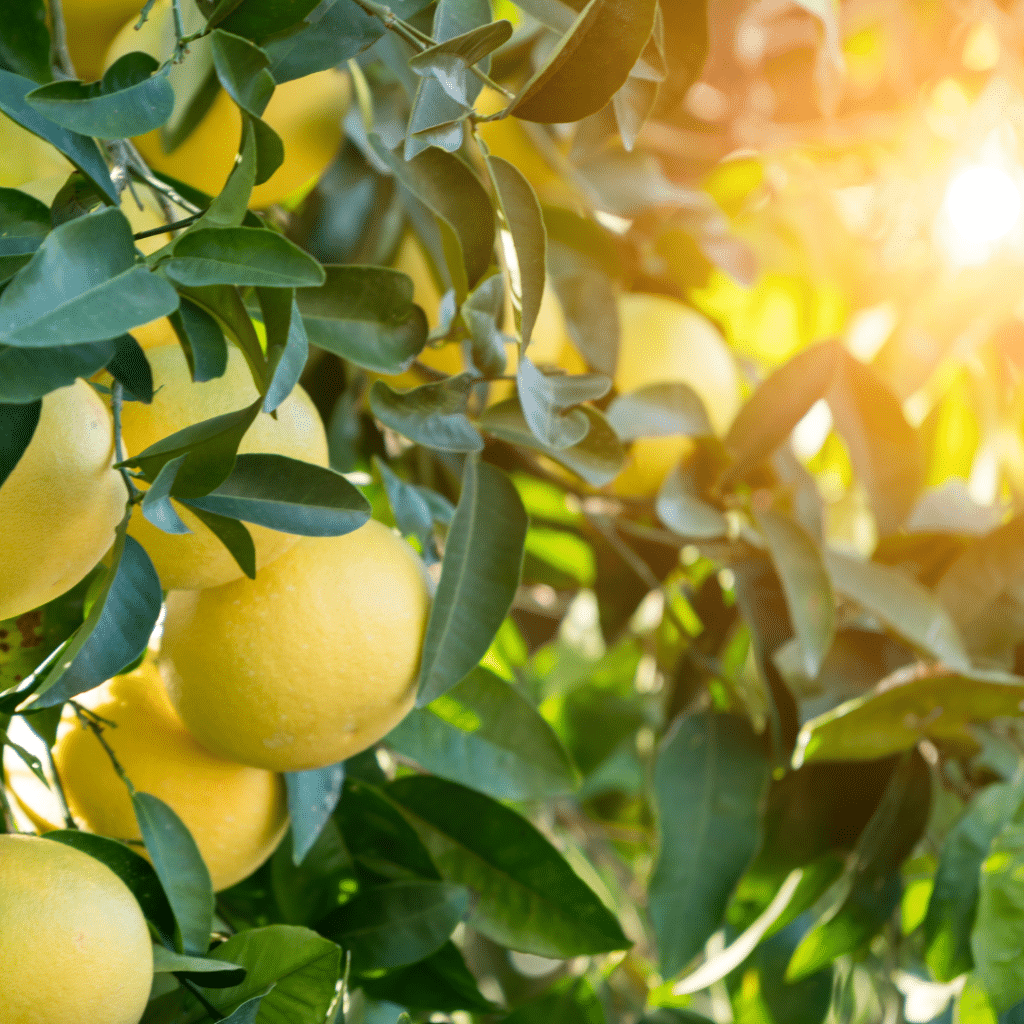
I have lemon trees growing in my house but I prefer to keep them indoors since the Scandinavian climate is not well-suited for Mediterranean fruit trees.
Herbaceous Plants
Herbaceous plants are plants with soft, green stems that die back to the ground each year. They’re often used as ground cover or as border plants. Some popular herbaceous plants in the Mediterranean include:
- Thyme: Thyme is a fragrant herb that’s often used in Mediterranean cooking. It’s also drought-tolerant and attracts pollinators.
- Sage: Sage is a hardy herb that comes in a variety of colors and is often used in Mediterranean cooking. It’s also drought-tolerant and attracts pollinators.
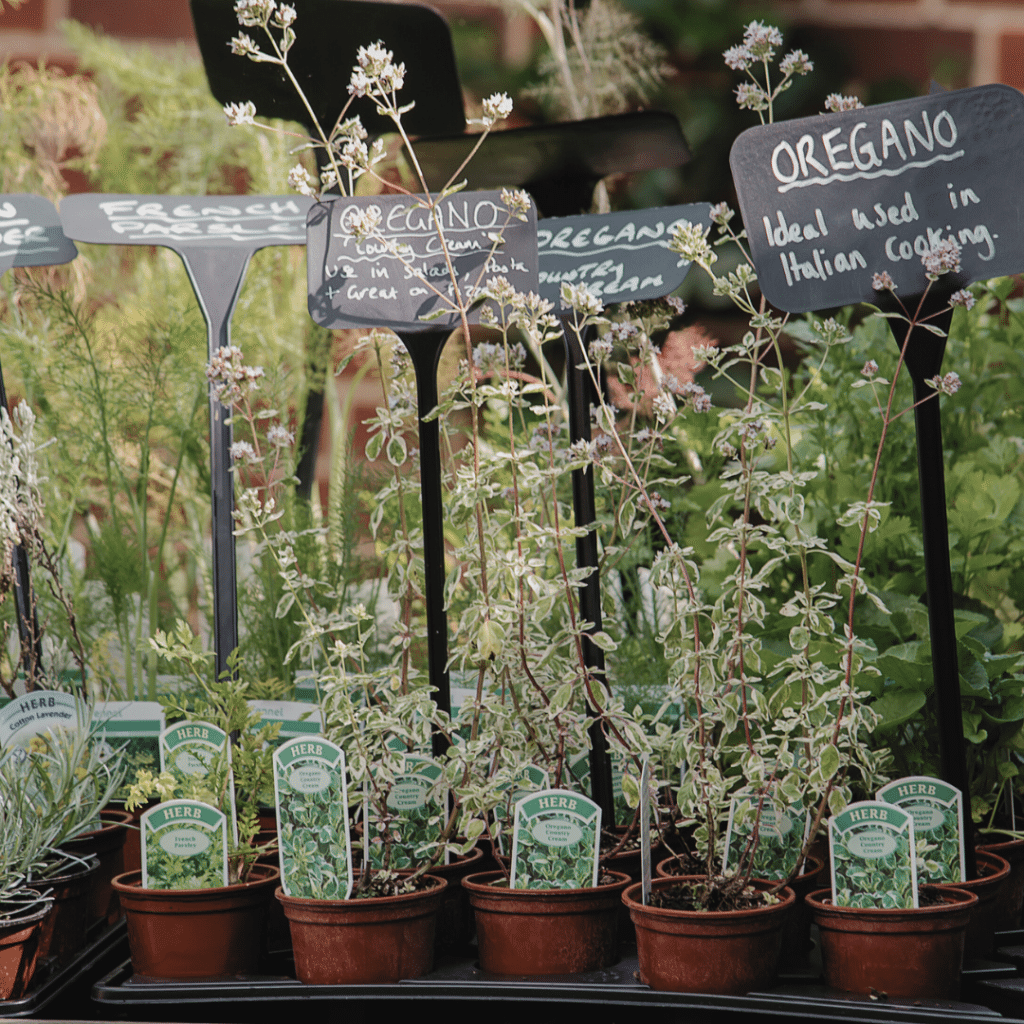
- Oregano: Oregano is a flavorful herb that’s often used in Mediterranean cooking. It’s also drought-tolerant and attracts pollinators.
Vines and Climbers
Vines and climbers are plants that grow up walls, trellises, or other structures. They’re often used to provide shade or to cover unsightly walls. Some popular vine and climber options include:
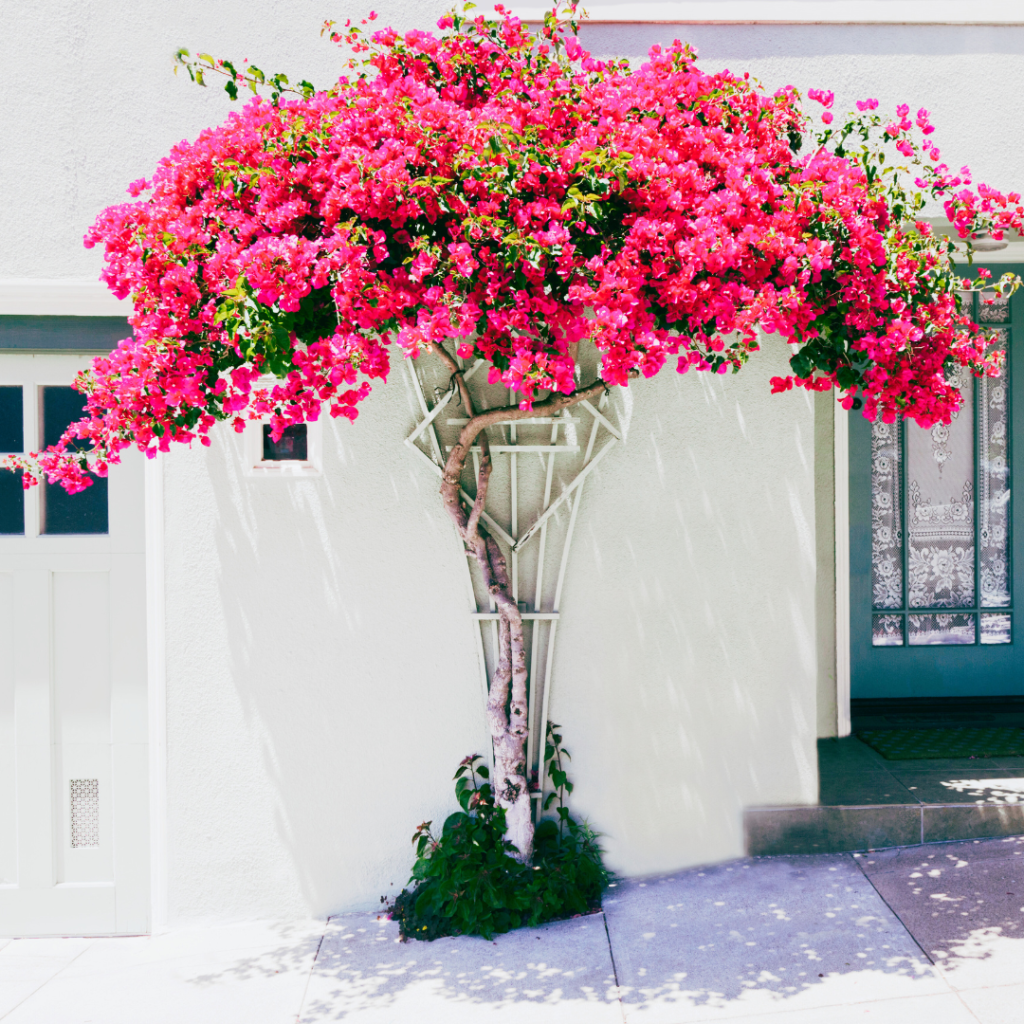
- Bougainvillea: Bougainvillea is a colorful vine that’s often used to cover walls or trellises. It comes in a variety of colors and is drought-tolerant.
- Grapevines: Grapevines are a staple of Mediterranean gardens and are often used to make wine. They provide both shade and delicious fruit.
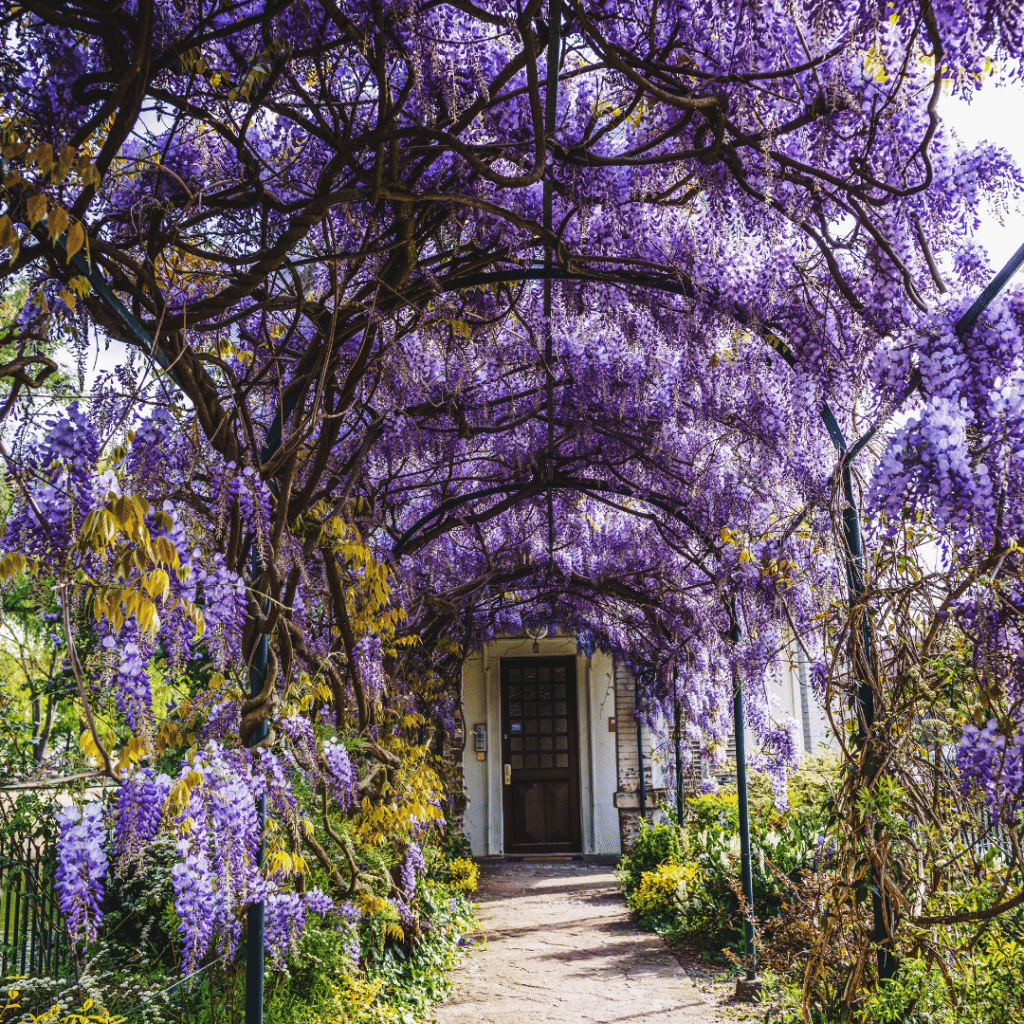
- Wisteria: Wisteria is a beautiful vine that produces clusters of fragrant flowers. It’s often used to cover pergolas or trellises.
Designing a Mediterranean Garden
Designing a Mediterranean garden is all about creating a space that evokes the charm and romance of the Mediterranean region. This type of garden is known for its relaxed and informal feel, with a focus on natural materials, earthy colors, and a mix of textures. Here are some tips to help you create your own Mediterranean garden.
Mediterranean Garden Structure
A Mediterranean garden is all about creating an outdoor space that feels like an extension of your home. To achieve this, consider adding garden structures such as arches, pergolas, or trellises.
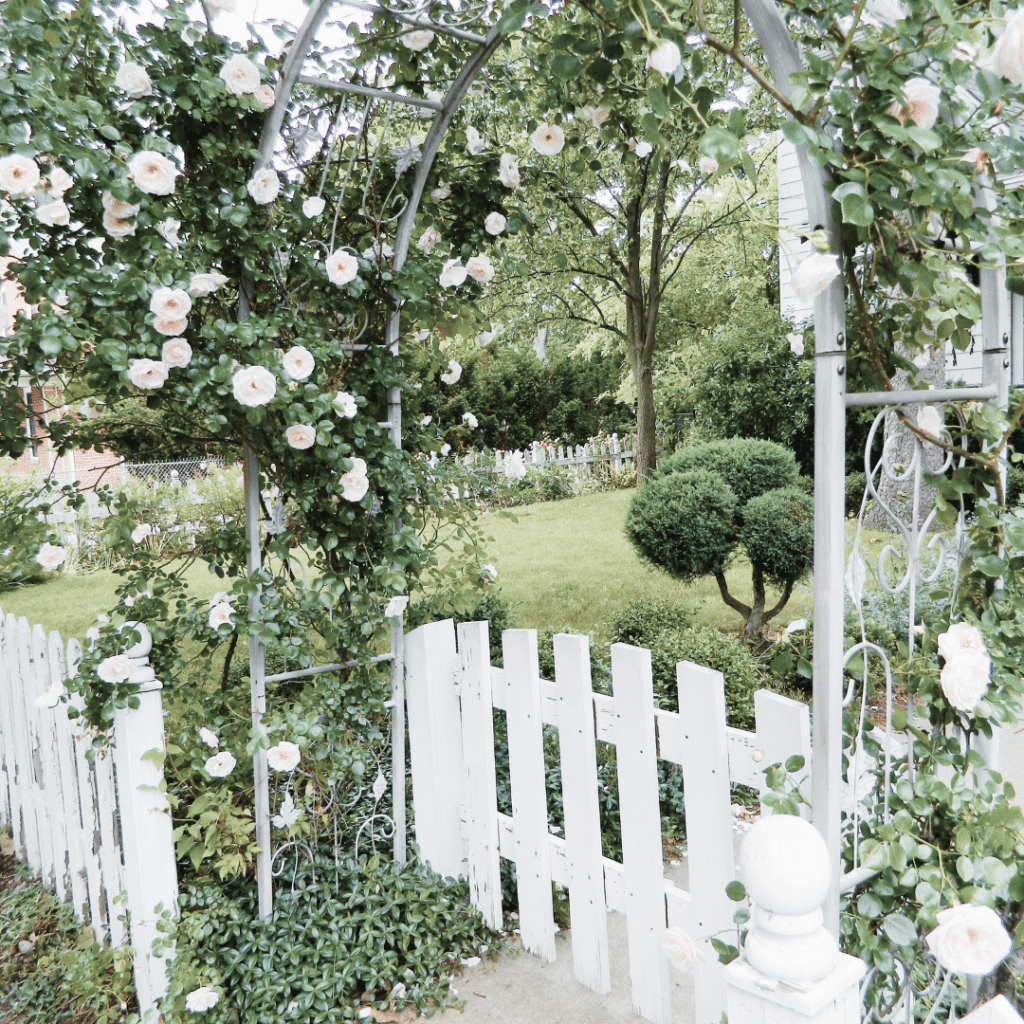
These structures can be used to create a sense of enclosure and intimacy, while also providing support for climbing plants such as grapevines or bougainvillea.
Mediterranean Garden Color and Texture
When it comes to color and texture, a Mediterranean garden is all about earthy tones and a mix of textures. Consider using plants with gray-green with touches of lilac foliage, such as olive trees, lavender, or rosemary. These plants not only add color and texture to your garden but also have a distinct Mediterranean feel.
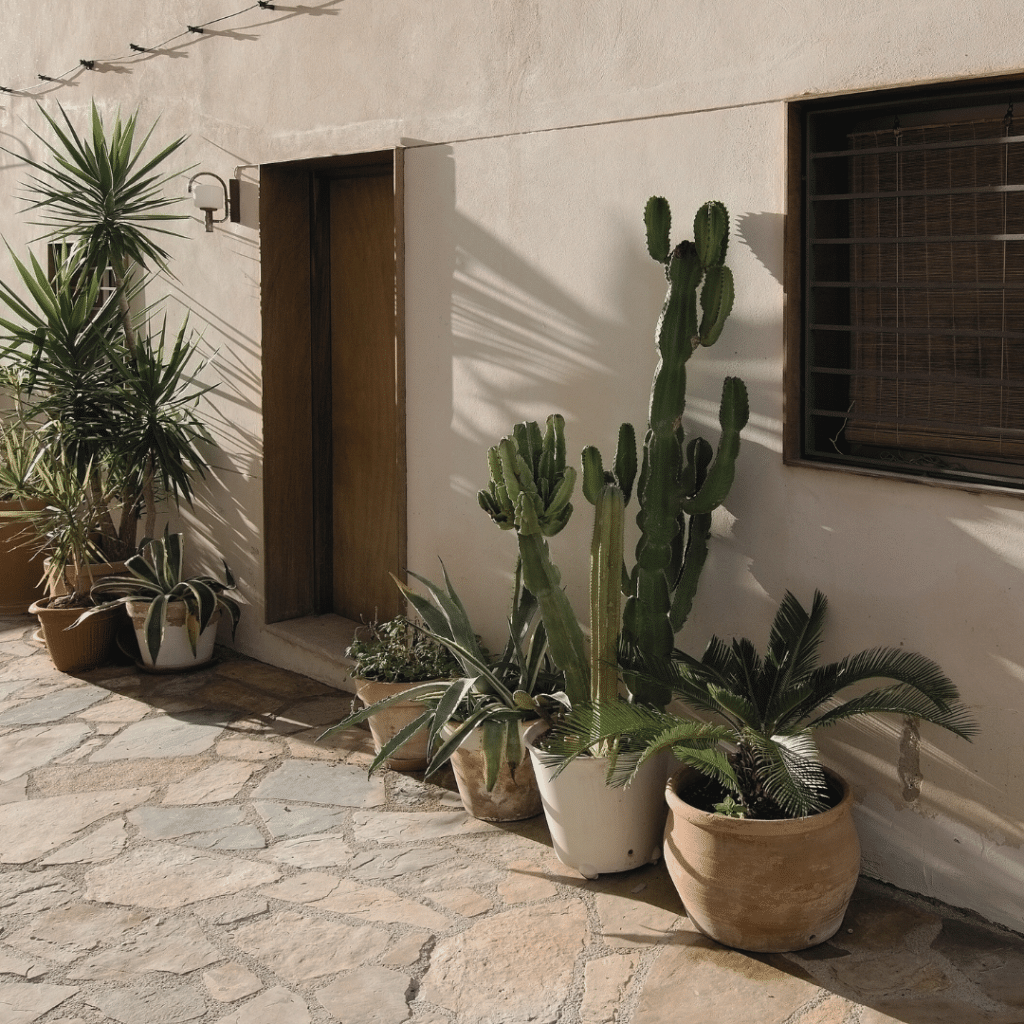
In addition to plants, consider adding other elements such as gravel or stone pathways, terracotta pots, or wrought iron furniture. These elements will add to the overall texture of your garden and help create a more authentic Mediterranean feel.
Mediterranean Garden Landscape Features
Finally, consider adding landscape features such as water features or courtyards to your Mediterranean garden.
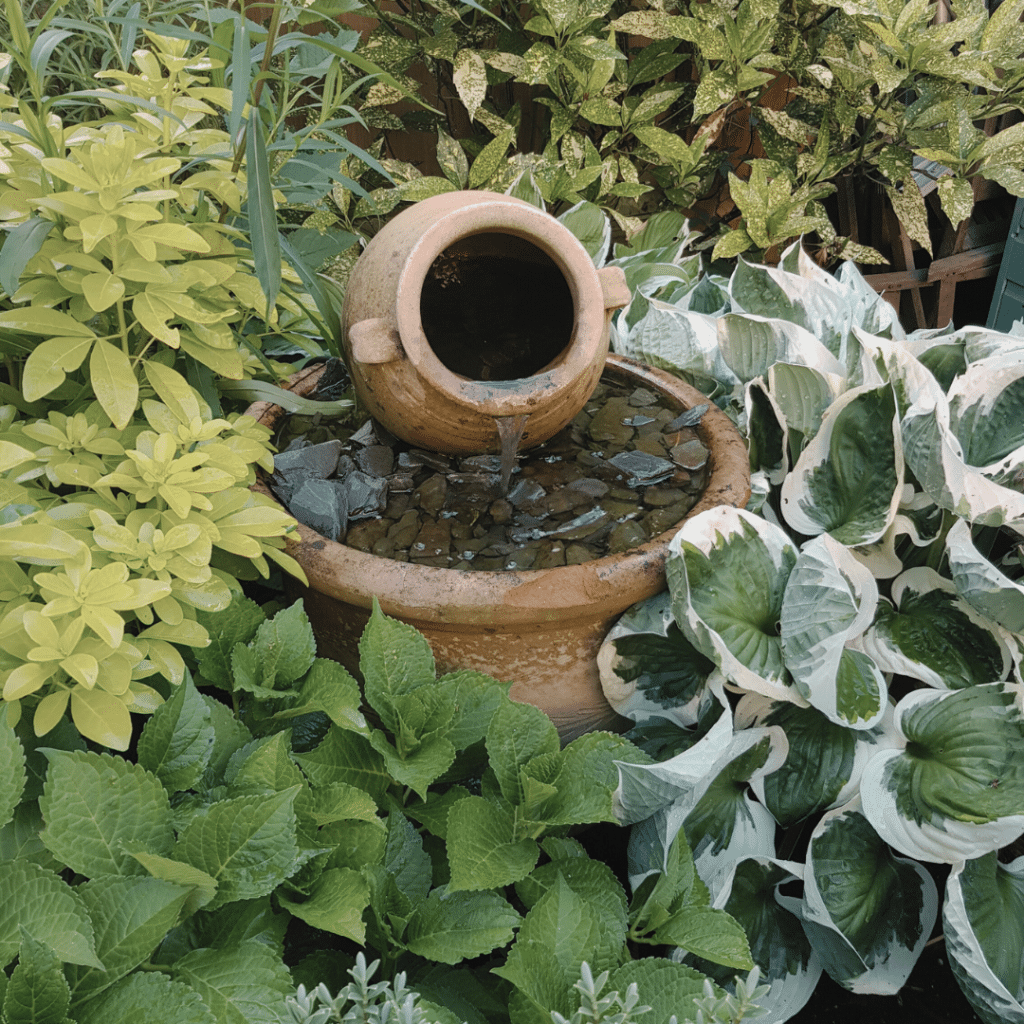
Water features such as fountains or small ponds can add a calming and soothing element to your garden, while courtyards can provide a private and intimate space for relaxation and entertaining.
Cultivation and Care Of Your Mediterranean Plants
Growing Mediterranean climate plants can be a rewarding experience, but it requires some effort and attention. Here are some tips for cultivating and caring for these plants:
Watering Strategies
Mediterranean climate plants are adapted to dry summers and wet winters, so they don’t need a lot of water during the growing season. In fact, overwatering can be harmful to these plants, as it can cause root rot and other problems.
To keep your plants healthy, water them deeply but infrequently, allowing the soil to dry out between waterings. You can also use a drip irrigation system to deliver water directly to the roots, which can help conserve water and reduce the risk of disease.
Pruning and Maintenance
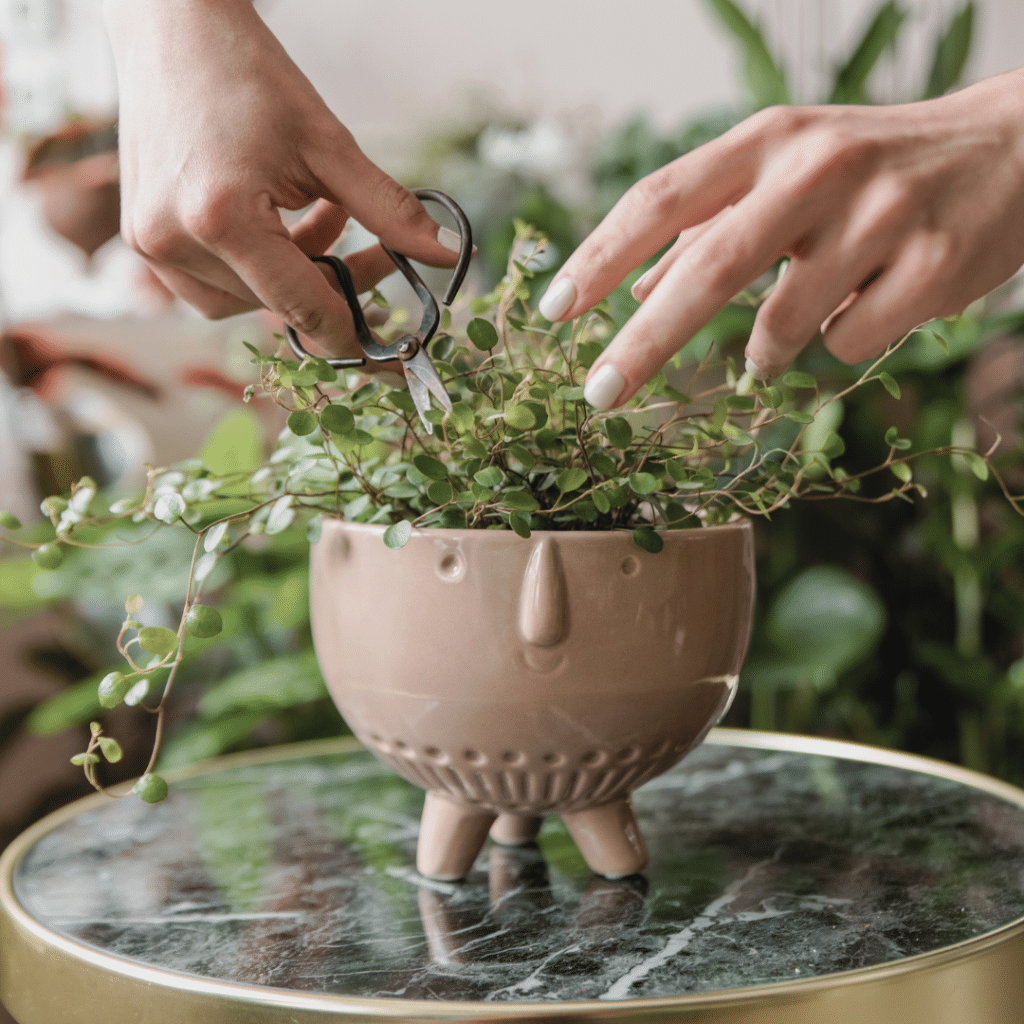
Most Mediterranean climate plants require little maintenance, but occasional pruning can help keep them healthy and looking their best.
- Prune your plants in late winter or early spring, before new growth appears.
- Remove any dead or diseased branches, as well as any crossing or rubbing branches.
- You can also shape your plants by removing any unwanted growth or by cutting back the tips of the branches. Be sure to use clean, sharp tools to prevent the spread of disease.
Propagation
If you want to propagate your Mediterranean climate plants, there are several methods you can use. One of the easiest is to take stem cuttings in the summer or fall, when the plants are actively growing.
- Cut a 10-15 com (4 to 6-inch) section of stem from the parent plant, making sure to include at least one node.
- Remove any leaves from the bottom half of the cutting, and dip the cut end in rooting hormone powder.
- Plant the cutting in a well-draining potting mix, and keep it moist but not wet. In a few weeks, the cutting should start to form roots and new growth.
Taking care of your Mediterranean climate plants during the spring and summer is key to ensuring that they bloom beautifully. Make sure to water them regularly, prune them as needed, and enjoy the stunning blooms that these plants have to offer.
More Articles About Mediterranean Design & Decor
FAQ – Mediterranean Climate Plants
Mediterranean Climate Plants
What types of trees thrive in a Mediterranean climate?
Mediterranean climates are known for their hot, dry summers and mild, wet winters. Trees that thrive in this climate are those that are drought-tolerant and can withstand long periods of heat and sun exposure. Some examples of trees that thrive in a Mediterranean climate include olive trees, citrus trees, fig trees, and pomegranate trees. These trees are not only beautiful and provide shade, but they also produce delicious fruits that are perfect for cooking and eating.
Mediterranean Climate Plants
Can you recommend some climbing plants that are ideal for Mediterranean weather?
Yes, there are many climbing plants that are perfect for Mediterranean weather. Some of the best climbing plants for this climate include bougainvillea, jasmine, wisteria, and passionflower. These plants not only add color and beauty to your garden, but they also attract bees, butterflies, and other pollinators.
Mediterranean Climate Plants
Which plants are best suited for growing in pots in a Mediterranean environment?
If you want to grow plants in pots in a Mediterranean environment, it’s important to choose plants that are drought-tolerant and can handle the heat. Some of the best plants for pots in this climate include lavender, rosemary, thyme, and succulents. These plants not only look great in pots, but they also smell amazing and are perfect for cooking.
Mediterranean Climate Plants
What are some indoor plants that can survive in a Mediterranean climate?
If you live in a Mediterranean climate and want to add some greenery to your indoor space, there are many plants that can survive indoors. Some of the best indoor plants for a Mediterranean climate include snake plants, peace lilies, spider plants, and ZZ plants. These plants are not only easy to care for, but they also help purify the air in your home.
Mediterranean Climate Plants
How should I design my garden with plants that flourish in Mediterranean climates?
When designing your garden in a Mediterranean climate, it’s important to choose plants that are drought-tolerant and can handle the heat. You should also consider adding some shade structures, such as pergolas or umbrellas, to provide relief from the sun. Some other tips for designing a garden in a Mediterranean climate include using gravel or mulch to retain moisture in the soil, planting in raised beds to improve drainage, and incorporating native plants to support local wildlife.
Mediterranean Climate Plants
What drought-resistant plants are perfect for a Mediterranean garden setting?
There are many drought-resistant plants that are perfect for a Mediterranean garden setting. Some of the best drought-resistant plants for this climate include succulents, cacti, lavender, rosemary, thyme, and yarrow. These plants not only look great in a garden, but they also require very little water and are easy to care for.